 Numeline
One death, three years, and a cheese recall no shopper could verify
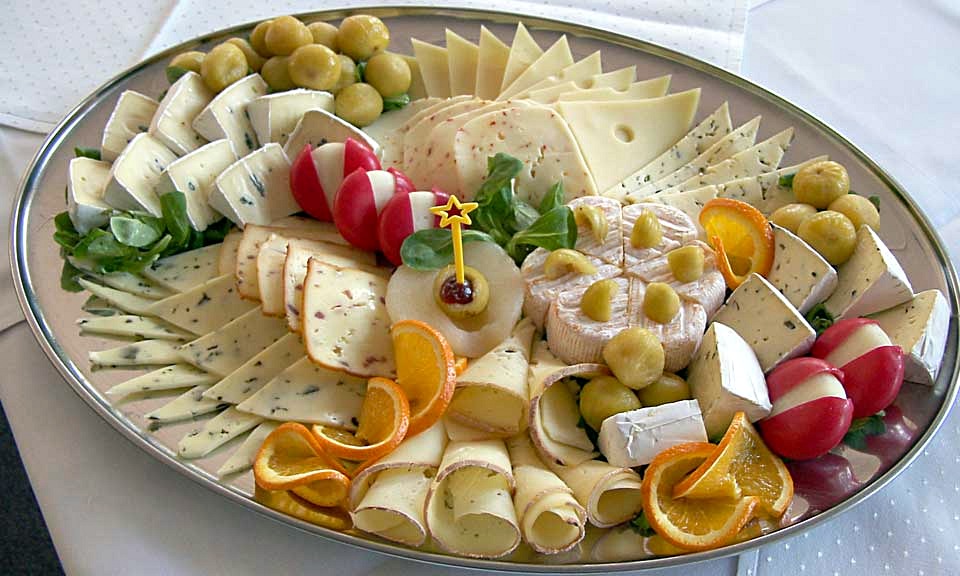
Clover Hill Dairy, of Mechanicsville, Maryland, recalled 18 cheese products contaminated with Listeria monocytogenes. The FDA classified it Class I — its most serious category. On August 26, 2026, the CDC closed the linked outbreak investigation: 15 people sick, 14 hospitalized, one death. And on entry after entry, the FDA's own record carries the same line: packaging, labeling, or total quantity of product distributed: unknown.
The outbreak, in numbers
According to the CDC's final update of August 26, 2026: 15 illnesses across four states — Illinois, Maryland, New York and Virginia — 14 hospitalizations, and one death, in Maryland. Of the sick people whose hospitalization status was known, every one was hospitalized. Illnesses ran from March 2023 to July 2026: a strain that persisted for more than three years.
That three-year span is the part worth pausing on. This was not a bad week at a dairy. It is the signature of Listeria monocytogenes settling into a production environment — a drain, a brine tank, a slicer — and surviving cleaning cycles, seasons and audits, seeding illnesses year after year before the genetic link was made.
What that line actually means
A recall normally tells you what to look for: a brand, a package size, a lot code, a date. Here, the FDA's enforcement records state that this information is not available. The firm does not know how much cheese went out, how it was packaged, or how it was labelled when it reached a customer.
That leaves shoppers with almost nothing to match against. There is a code, AA051526, and there are product names — but if the cheese was cut, re-wrapped or sold from a deli counter, none of it will appear on what is in the refrigerator.
It is worth being precise about what this is and is not. It is not evidence of bad faith: small dairies selling in bulk and through distributors genuinely may not have that record. But it does mean the recall cannot be verified by the consumer — and that a shopper who bought cheese from these states this summer has no reliable way to rule themselves out.
Eighteen products, one dairy
The recalled items span nearly the entire catalogue: mild and sharp cheddar varieties, Monterey Jack, Colby, Marble Jack, Pepper Jack and Jalapeño Cheddar, smoked cheddars, Old Bay cheddar, horseradish cheese, fresh cheddar curd, snack sticks and three-packs — and, notably, several fresh Hispanic-style cheeses: soft cuajada in two- and five-gallon buckets, vacuum-sealed cuajada, cuajada crumbs, and soft ricotta (requesón), plain and with jalapeños.
When a recall covers this much of a product line, it usually points to the plant environment rather than to a single bad batch. Listeria monocytogenes is known for establishing itself in food-production environments — brine tanks, slicers, conveyors, drains — where it can persist and recontaminate product across recipes and across weeks.
And the cheese did not always reach shoppers under the Clover Hill name. On June 26, 2026, La Ceiba Foods Latin Market recalled requesón it had repackaged and sold under the La Colonia and Selectos Latinos brands, distributed to supermarkets, retail stores and restaurants in Maryland, Virginia and Washington, D.C. Someone holding one of those tubs would have had no reason to connect it to a dairy in Mechanicsville.
The recall was initiated on June 1, 2026 and remains listed as ongoing in the FDA's enforcement records. That gap matters: cheese bought in June may still be in a freezer, and bulk buckets sold to restaurants and small groceries have a long working life.
Why fresh Hispanic-style cheeses get singled out
Public health agencies have tracked listeriosis outbreaks linked to fresh, soft cheeses such as queso fresco, cuajada and requesón for decades. The reason is not cultural but physical: these cheeses are high in moisture, low in acidity and low in salt, and they are eaten without cooking. That combination is close to ideal for Listeria — and unlike an aged, dry cheese, there is no ripening step working against the bacteria.
This matters especially because of who eats them and who is most at risk. Listeriosis is rare but severe, and it concentrates in pregnant women, newborns, older adults and immunocompromised people. In pregnancy, the infection can be mild or unnoticed in the mother while causing miscarriage, stillbirth or severe illness in the newborn.
The long incubation problem
Listeriosis can take up to about 10 weeks to produce symptoms. Someone who ate a recalled cheese in July could fall ill in September and never connect the two. This is why health authorities ask people who consumed a recalled product to mention it to a clinician even without symptoms, and to stay alert for fever, headache, stiff neck, confusion or muscle aches well after the fact.
What to do
If you bought cheese in Maryland, Virginia or New York since early June — especially cheese sticks, snack packs, cheddar curd, or fresh cuajada or requesón sold in tubs or buckets — check for code AA051526 and the Clover Hill Dairy name. Because packaging and labeling are listed as unknown, also ask the store where you bought bulk or deli-cut cheese whether their supplier was affected. When in doubt, throw it out: with a Class I recall and no way to verify, the cost of discarding cheese is not comparable to the risk. Clean the refrigerator drawer, cutting boards and knives that touched it — Listeria grows at refrigerator temperatures and spreads to other foods. If you are pregnant, older or immunocompromised and ate this cheese, tell a healthcare provider even if you feel fine.
France is seeing the same pattern this month, with nine Listeria recalls on cheese in four days — including one gorgonzola sold across five different supermarket chains. We covered it here, in French.
Sources
- FDA — Food enforcement reports (openFDA), Clover Hill Dairy LLC, report date August 12, 2026, Class I, status ongoing: fda.gov
- CDC — Listeria outbreak linked to requesón / soft ricotta cheese, final update August 26, 2026 (15 illnesses, 14 hospitalizations, 1 death, 4 states): cdc.gov
- FDA — Outbreak investigation of Listeria monocytogenes: soft cheese (June 2026), and La Ceiba Foods Latin Market recall of repackaged requesón sold as La Colonia and Selectos Latinos: fda.gov
- CDC — Listeria (listeriosis): symptoms, people at risk, prevention: cdc.gov/listeria
Recall details — products, code, distribution and classification — come from the U.S. Food and Drug Administration's public enforcement reports. This article is independent consumer information; it is not affiliated with the FDA, the CDC, or the company named, whose name is used for identification purposes only. It is not medical advice.
Know before you eat
Numeline scans a product and checks it against official FDA and USDA recalls — and flags allergens and foods to avoid for each member of your household. Free on iOS and Android.