 Numeline
Arsenic in Nerds and Laffy Taffy: what Florida found, and why there is no recall
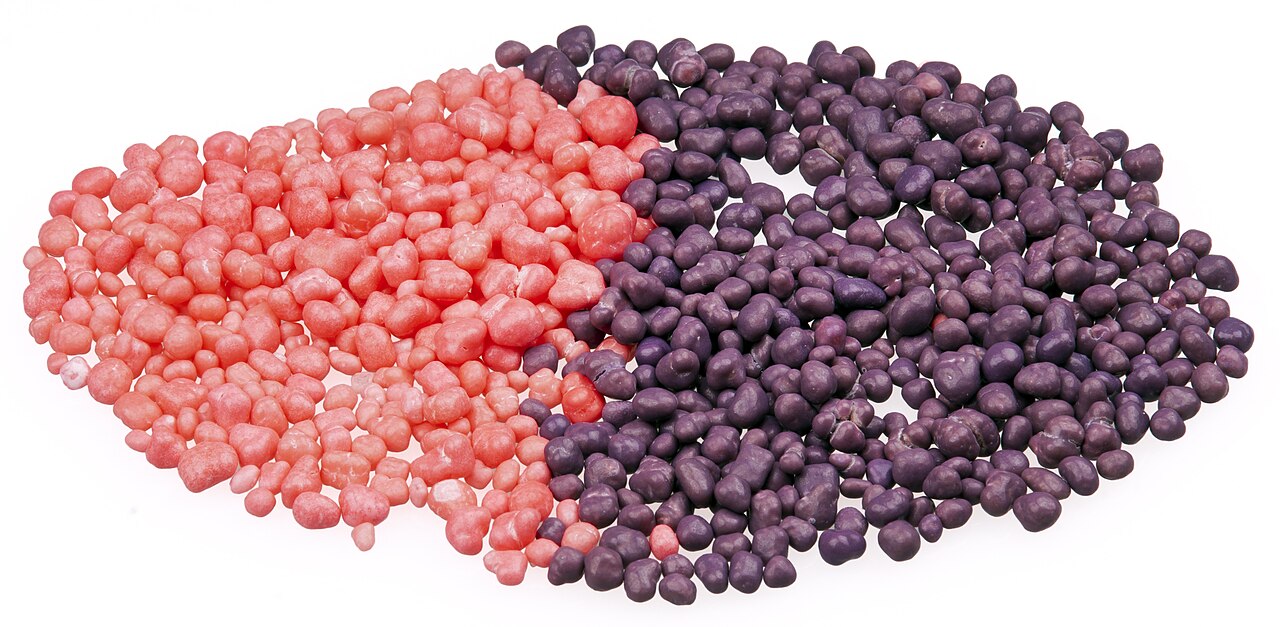
"Arsenic in Nerds" keeps resurfacing in headlines, and parents keep asking the same question: is there a recall? There is not. What exists is a set of laboratory results published by the State of Florida, which found arsenic in 28 of 46 candies it tested — including 8 of 10 products from Ferrara Candy Company, the maker of Nerds, Laffy Taffy, SweeTarts and Trolli. Here is what the official numbers say, and just as important, what they do not.
What Florida tested
On January 26, 2026, the Florida Department of Health released candy results under its "Healthy Florida First" initiative: 46 candy products from 10 companies, tested for heavy metals. According to the program's FAQ, samples were bought from multiple retailers and online, with an effort to cover different batches, and were analyzed by accredited laboratories using EPA, FAO, AOAC and ISO 17025-accredited methods, with results reviewed by the Department of Health.
For each candy, the state lists an arsenic concentration in parts per billion (ppb) and an approximate "safe consumption limit" per year, for a child and for an adult. These are the Ferrara results:
| Ferrara product | Arsenic (ppb) | Child limit / year |
|---|---|---|
| Nerds Gummy Cluster | 500 | 24 pieces |
| Laffy Taffy Banana | 480 | 4 pieces |
| Nerds Strawberry | 450 | 96 pieces |
| Trolli Sour Brite Crawlers | 430 | 12 pieces |
| SweeTarts Original | 400 | 48 pieces |
| SweeTarts Rope | 390 | 3 ropes |
| Nerds Grape | 380 | 96 pieces |
| Black Forest Gummy Bears | 370 | 16 pieces |
| Laffy Taffy Cherry | Not detected | — |
| Organic Black Forest Gummy Bears | Not detected | — |
Ferrara was not alone. By the state's own tables, arsenic was found in 7 of 10 Hershey products, all 4 Mondelēz and all 4 Tootsie Roll products tested, 3 of 6 Mars products and 2 of 3 SmartSweets products. It was not detected in any of the products tested from Yum Earth, Unreal or Annie's.
Why this is not a recall
A recall happens when a product violates a rule, or when the FDA or a company decides it poses a health risk that warrants removal. The Donutful donut recall, for instance, rests on a clear rule: milk must be declared on the label, and it was not. For arsenic in candy, there is no federal rule to violate: the FDA has not set a limit for arsenic in candy. Its action levels for inorganic arsenic cover a few specific foods — 10 ppb in apple juice and 100 ppb in infant rice cereal — and even those are guidance the agency uses to decide whether to act, not hard bans.
The FDA's general position is stated plainly on its arsenic page: "Testing results that detect arsenic do not necessarily mean the food should be avoided." As of this writing, neither Ferrara nor the FDA has announced a recall of any of these products, and we found no FDA statement about Florida's candy results.
How to read the numbers
Three points matter before drawing conclusions.
The form of arsenic is not stated. Arsenic exists in inorganic and organic forms, and the FDA says inorganic arsenic is the more dangerous. Florida's candy page reports "arsenic" without saying which. That is why the candy figures cannot be compared directly with the FDA's apple juice or rice cereal levels, which apply to inorganic arsenic only.
The "safe" limits are Florida's, and they are approximate. The state says its yearly limits are based on developmental age and on screening tools from the EPA, the European Food Safety Authority and the ATSDR, with cancer risk assessed where applicable. They are not a federal standard. The state itself labels them "approximate," and it shows: Nerds Grape (380 ppb) and Nerds Strawberry (450 ppb) receive the same limit of 96 pieces a year, even though one measured 18 percent more arsenic than the other.
A single result is a snapshot. Each product appears with one figure. The page does not list lot numbers or sampling dates, so there is no way to tell which packages on store shelves correspond to the samples tested.
The lawsuit
On February 4, 2026, a proposed class action, Anstett v. Ferrara Candy Company, was filed in federal court in the Northern District of Illinois, relying on Florida's results. A complaint contains allegations, not findings: no court has ruled that Ferrara's candy is unsafe. We have not been able to confirm the current status of the case from court records.
What parents can do
There is no recalled product to return. Florida's results are a reason to treat candy as an occasional treat rather than a daily habit — especially for young children, whose smaller body weight means the same amount weighs more. If you want to compare brands, Florida publishes its full tables, including the products where no arsenic was detected. And if a recall is ever issued for any of these candies, it will appear in the FDA's official recall records — which is what Numeline checks when you scan a product.
Sources
- State of Florida — Florida Releases Candy Testing Results Under Healthy Florida First Initiative, January 26, 2026: flgov.com
- Florida Department of Health — candy results and FAQ, Healthy Florida First: exposingfoodtoxins.com/candy
- FDA — Arsenic in Food: fda.gov
- FDA — Final guidance, action level for inorganic arsenic in apple juice: fda.gov
- FDA — Final guidance, action level for inorganic arsenic in infant rice cereals: fda.gov
- U.S. District Court, N.D. Illinois — Anstett v. Ferrara Candy Company, complaint filed February 4, 2026: complaint (PDF)
Test results come from the State of Florida and the Florida Department of Health; regulatory context comes from the U.S. Food and Drug Administration. Company-level counts and the comparison of the two Nerds results are Numeline's reading of Florida's published tables. This article is independent consumer information; it is not affiliated with the State of Florida, the FDA, Ferrara Candy Company or any other company named, whose names are used for identification only. It makes no claim that any product is unsafe, and it is not medical advice.
Know before you eat
Numeline scans a product and checks it against official FDA and USDA recalls — and flags allergens and foods to avoid for each member of your household. Free on iOS and Android.