A Frozen-Meal Recall for Glass That Kept Getting Bigger
Some recalls arrive fully formed. Others start small and grow as a company works out how far a problem reached. This one did the second thing — and ended up covering tens of millions of pounds of frozen meals.
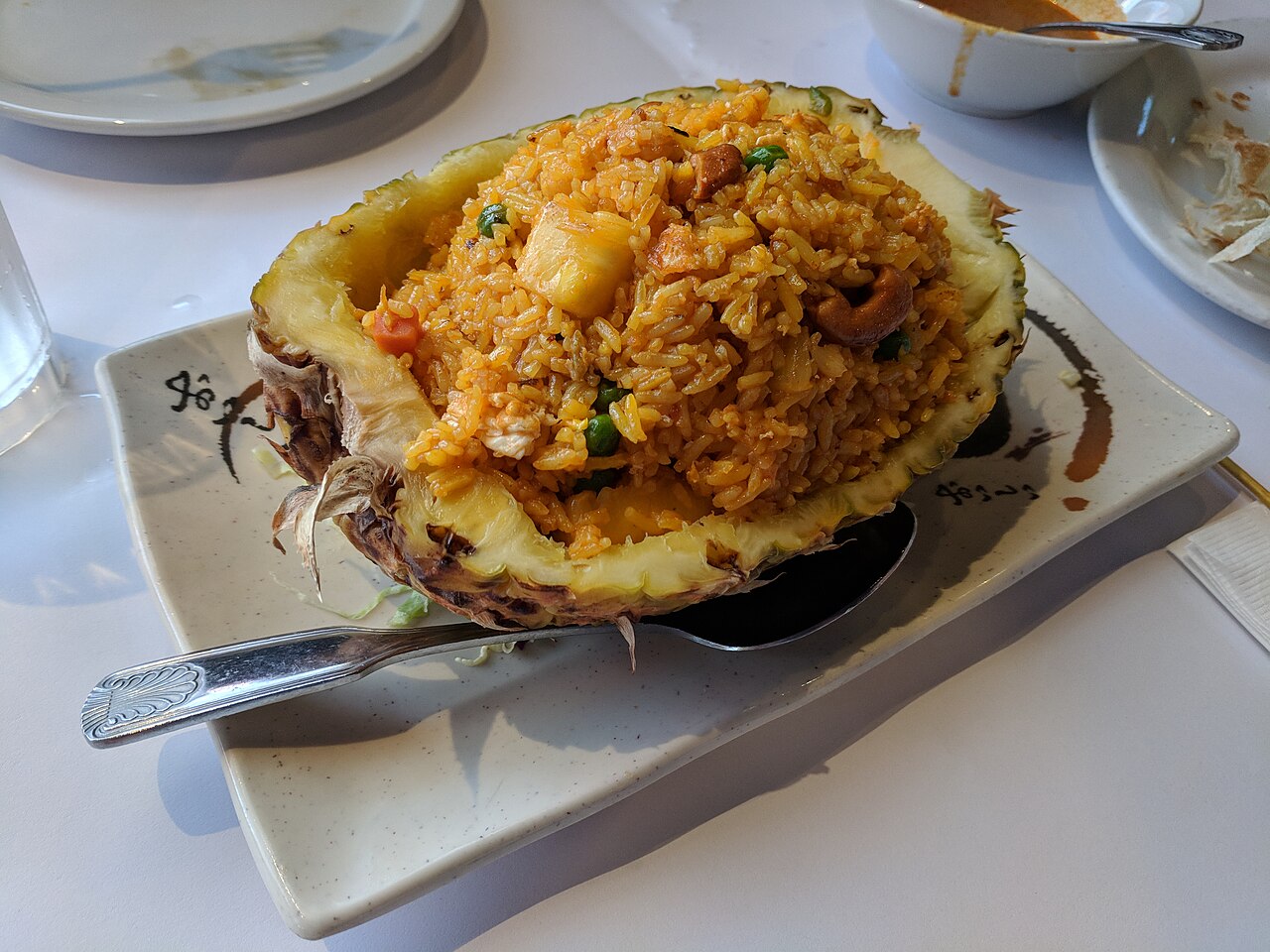
According to the USDA's Food Safety and Inspection Service (FSIS), Ajinomoto Foods North America, Inc. expanded a recall of frozen chicken and pork fried rice, ramen, and shu mai (dumpling) products because they may be contaminated with foreign material — specifically glass. The expansion added roughly 33.6 million pounds of product, spanning both ready-to-eat and not-ready-to-eat items. These are FSIS-regulated because they contain meat and poultry.
Why a "foreign material" recall expands
Glass in food is a physical hazard: it can cut the mouth or throat, or cause internal injury if swallowed. When a producer traces glass to a shared ingredient, a supplier, or a stretch of production, the recall often grows outward — from a first batch to every lot that could plausibly share the same source. That's why a recall like this can start modest and then balloon: the safe assumption is to pull everything that might be affected rather than only what's confirmed.
The trade-off for you as a shopper is that the affected list gets long and specific. The hazard is real, but confirming whether your box is on the list means checking product names, establishment numbers and production codes against the official FSIS notice — not eyeballing the freezer.
The catch with frozen food
Frozen meals are the hardest recalls to catch, for one simple reason: they sit in your freezer for months. A recall announced today can apply to a box you bought long ago and forgot about. Unlike fresh produce that's eaten or thrown out within days, a frozen fried rice bag can outlast the news cycle by a wide margin — which is exactly why checking the back of the freezer is worth doing when a big frozen recall lands.
What to do
If you have Ajinomoto frozen fried rice, ramen or shu mai, check the product name, establishment number ("EST." on the package) and lot/production code against the FSIS recall notice linked below. If it matches — or you can't tell — don't eat it; throw it away or return it to the store. When a product may contain glass, this is not a "cook it longer" situation; discard it.
Sources
- USDA FSIS — Ajinomoto Foods North America recall expansion (products, establishment numbers, lot codes, quantity): fsis.usda.gov
- USDA FSIS — Recalls & Public Health Alerts: fsis.usda.gov/recalls
Recall facts come from the public USDA/FSIS recall notice (a U.S. government work, public domain); the affected product list, establishment numbers and lot codes are in that notice. This article is independent consumer information and is not affiliated with, or endorsed by, the USDA/FSIS or Ajinomoto Foods North America. Product names are reproduced for identification only.
Know before you eat
Numeline scans a product and checks it against official FDA & USDA recalls in real time — and flags allergens for your dietary profile. Free on iOS and Android.