Two Hazards in One Week: USDA Flags Listeria and Mislabeled Allergens
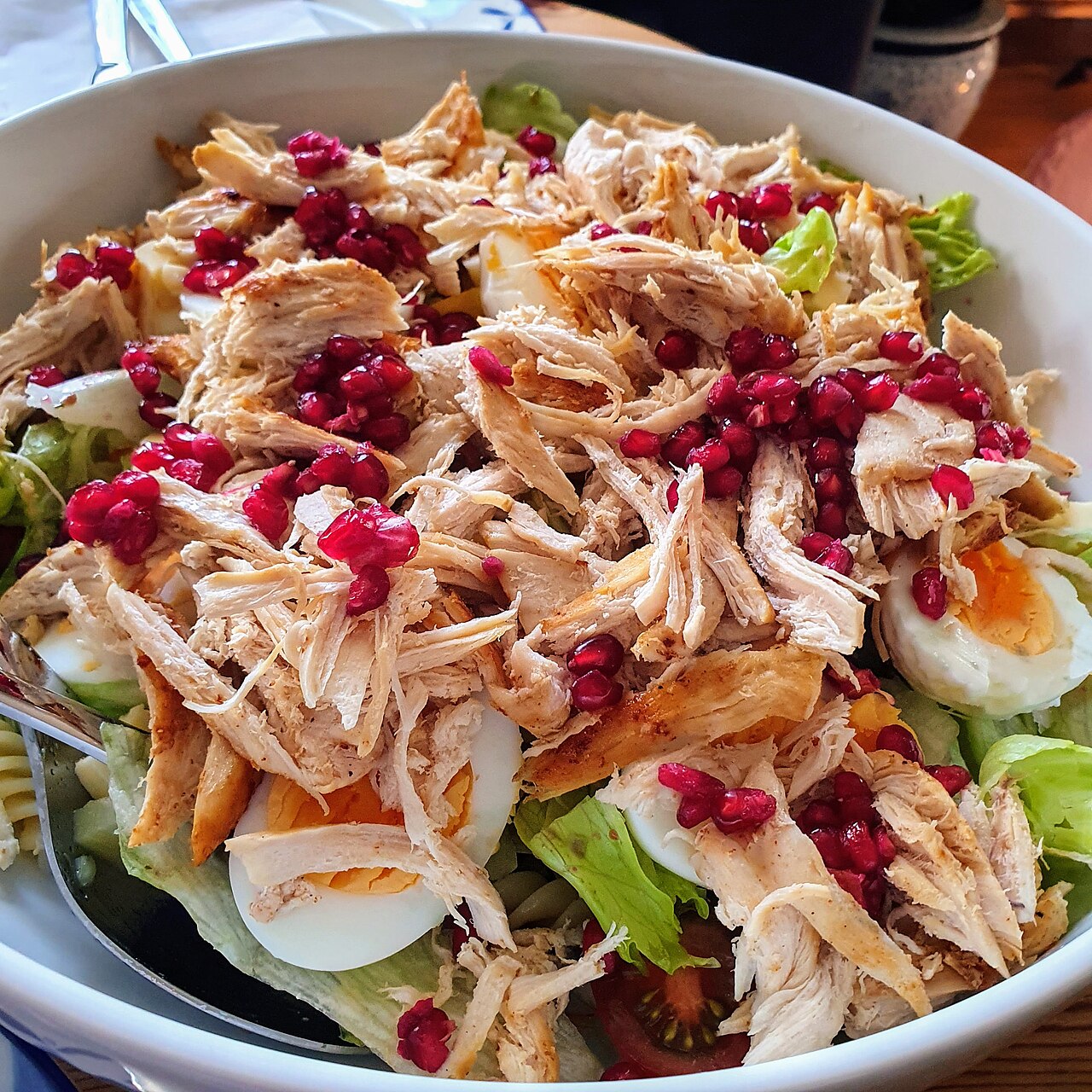
In the last days of July 2026, the USDA's Food Safety and Inspection Service issued a cluster of public health alerts. They split neatly into the two ways ready-to-eat food goes wrong: a germ that shouldn't be there, and a label that doesn't match the food.
Listeria in ready-to-eat meals
On July 30, FSIS issued a public health alert for a Curry Chicken Salad over concern that it may be contaminated with Listeria monocytogenes. The alert describes 8-oz plastic packages marked "CURRY CHICKEN SALAD" with a USE BY: 07/30/2026 stamp on the lid. Around the same window, FSIS also flagged ready-to-eat chicken Caesar wrap products for possible Listeria.
Listeria is the reason ready-to-eat matters: these are foods eaten without a cook step that would kill the bacteria. It's especially dangerous for pregnant people, newborns, older adults and anyone immunocompromised, and it can surface up to several weeks after exposure — long after the packaging is in the trash.
When the label is the hazard
The other two alerts weren't about a pathogen at all. On July 29, FSIS flagged a Steak, Cilantro & Lime Burrito for misbranding and an undeclared allergen — egg. And earlier, on July 3, a beef jerky product was flagged for misbranding with undeclared wheat.
For a shopper with an egg or wheat allergy, this is the same danger as any recall: the product is exactly what it claims to be on the front, but the back-of-pack ingredient statement is wrong or missing. You can't see the hazard, and reading the label — the thing you're told to do — doesn't help when the label itself is the error.
"Public health alert" vs "recall"
FSIS issues a public health alert rather than a recall when the affected product is likely no longer available for purchase — often the case for short-dated deli items. It's not a weaker warning; it means the product may already be in your fridge rather than on a shelf. That's the harder case to catch, because there's no store pulling it in front of you.
What to do
Check ready-to-eat chicken salad and wraps against the establishment number and use-by date in each FSIS alert; if it matches — or you can't tell — don't eat it. If you have an egg or wheat allergy, be wary of the flagged burrito and jerky specifically. When a product may be contaminated with Listeria, throwing it out is the safe call even past its use-by date.
Sources
- USDA FSIS — Recalls & Public Health Alerts: fsis.usda.gov/recalls
- FSIS — Public health alert, ready-to-eat chicken Caesar wrap (Listeria): fsis.usda.gov
- FSIS — Public health alert, beef jerky (undeclared allergen): fsis.usda.gov
Alert details come from public USDA/FSIS notices (U.S. government works, public domain). This article is independent consumer information and is not affiliated with, or endorsed by, the USDA/FSIS or the companies named. Product descriptions are reproduced for identification only.
Know before you eat
Numeline scans a product and checks it against official FDA & USDA recalls in real time — and flags allergens for your dietary profile. Free on iOS and Android.