 Numeline
One state has more Cyclospora cases than the entire national count
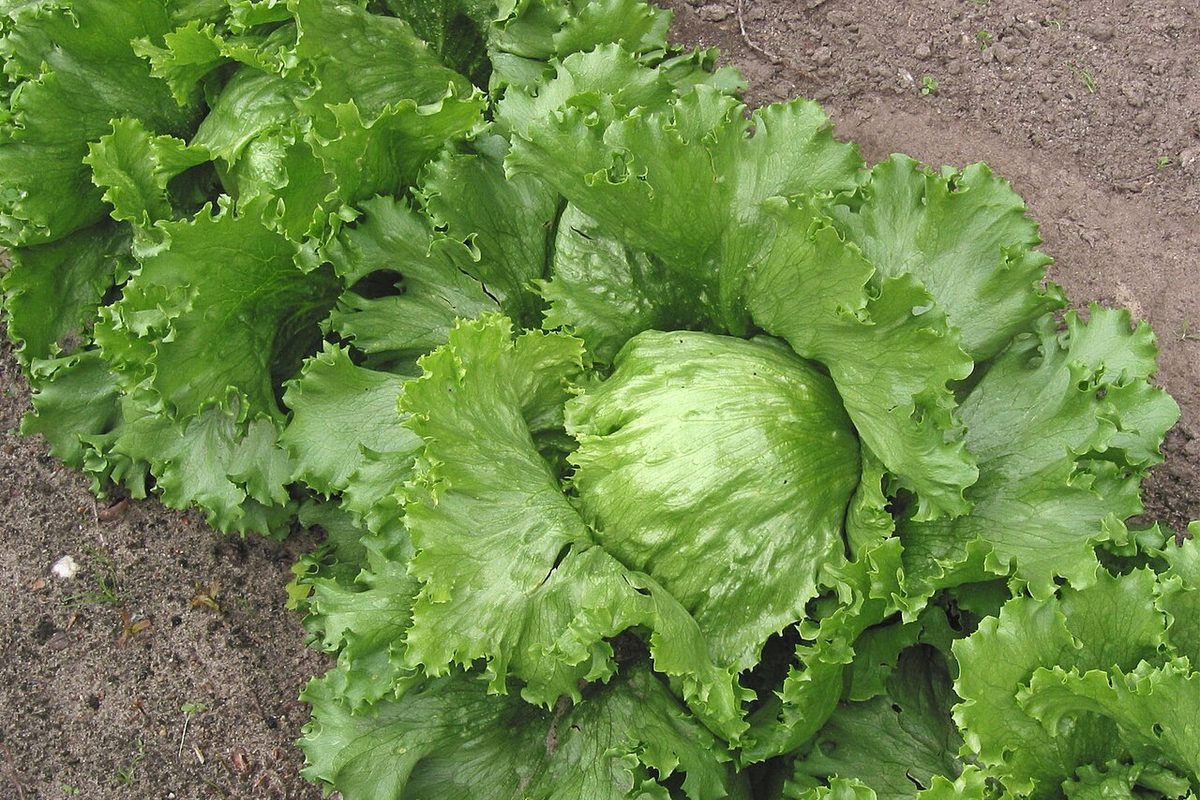
On August 27, the CDC added Georgia, Tennessee and Texas to the Cyclospora outbreak linked to Taylor Farms iceberg lettuce, bringing it to 20 states and 11,458 confirmed illnesses. That national figure sits alongside another one: as of September 3, the Michigan Department of Health and Human Services counts 14,718 cases in Michigan alone. One state reports more illnesses than the entire country’s official total. Neither number is wrong — and understanding why is more useful than picking one.
Where it stands
CDC, national, updated September 3: 11,458 laboratory-confirmed illnesses across 20 states, at least 495 hospitalizations, 2 deaths in Michigan in people with underlying conditions. Last illness onset: August 15, 2026.
Michigan MDHHS, updated September 3: 14,718 cases reported since June 22, 366 hospitalizations, cases in 72 of 83 counties plus Detroit, which reports separately.
Why the state number is bigger
Two mechanisms, and the CDC states both openly.
The first is definitional. The CDC and FDA count only laboratory-confirmed cases. States are free to publish more: Michigan’s dashboard includes probable illnesses — people whose symptoms and exposure fit but whose stool test was never run or never returned. Both counts are honest; they answer different questions. The CDC is asking “how many can we prove?” Michigan is asking “how many do we think there are?”
The second is time. The CDC estimates a six-week lag between when someone falls ill and when their case reaches the national count. Symptoms take one to two weeks to appear, testing adds another seven to ten days, and confirmation and transmission to CDC take the rest. States, sitting closer to the reporting chain, see the same people weeks earlier.
Add a third factor that inflates neither count but deflates both: Cyclospora is not on a standard stool panel. Unless a clinician specifically orders the test, an infection is never counted anywhere. The CDC says plainly that the true number is higher than what has been reported.
Where the three new states fit
Georgia, Tennessee and Texas are not a new outbreak. They are the reporting pipeline finishing its work on exposures that happened weeks ago — recalled lettuce distributed between June 29 and July 16, withdrawn by Taylor Farms de México on July 17. They join Maine and Massachusetts, added earlier, which took the outbreak from the fifteen states we reported on August 7 to twenty today.
One number did move in a direction worth noting. In early August, the last recorded illness onset was July 31. It is now August 15. Onsets continued for roughly a month after the product was pulled — consistent with a long incubation period and the tail of product already in homes and kitchens, but it means the curve did not stop as cleanly as the earlier data suggested.
Why a national undercount matters
It is tempting to treat this as bookkeeping. It is not. The national figure is what sets the perceived scale of an outbreak: it shapes press coverage, regulatory urgency, and how seriously an individual clinician takes an unexplained case of prolonged diarrhea in September.
An outbreak reported as eleven thousand cases reads as serious. The same outbreak, if states’ own tallies were aggregated, would read as substantially larger — Michigan’s figure alone already exceeds the national confirmed total, and Michigan is one of twenty states. The gap is not evidence of anyone hiding anything. It is evidence that the number the public sees is a floor, not an estimate.
For anyone still symptomatic, the practical consequence is direct: a case that was never lab-confirmed is invisible to every count, and, more importantly, untreated. Cyclospora responds to specific antibiotic therapy. It does not reliably clear on its own, and it relapses.
This is also not the first time this parasite has been traced to greens processed by Taylor Farms in central Mexico. The FDA investigated the same company, for the same parasite, in the same Mexican region in 2013 — and wrote down a specific finding about recycled wash water. We looked at what those thirteen years show, and what they do not prove.
What to do
If you have had watery diarrhea, cramping and heavy fatigue lasting more than a few days since June — including symptoms that seemed to improve and then returned — ask a healthcare provider specifically about Cyclospora. A routine stool panel does not test for it. Partial recovery is not proof you are clear. If you are immunocompromised or managing a serious condition, do not wait it out: both deaths in this outbreak were in people with underlying health conditions. The recalled lettuce is long past its expiry and is no longer in stores or restaurants.
Sources
- CDC — Investigation update, Cyclospora outbreak linked to iceberg lettuce, updated September 3, 2026: 11,458 confirmed illnesses, 20 states, at least 495 hospitalizations, 2 deaths, last onset August 15, 2026; Georgia, Tennessee and Texas added August 27: cdc.gov
- CDC — On the counting difference: “States in this outbreak may show different illness counts on their websites, as they may also include probable illnesses or update their websites at different frequencies. CDC and FDA are only reporting laboratory confirmed cases.” Same page.
- CDC — Health Advisory, domestically acquired cyclosporiasis in multiple U.S. states, 2026: cdc.gov/han
- Michigan MDHHS — Cyclosporiasis outbreak dashboard, updated September 3, 2026: 14,718 cases since June 22, 366 hospitalizations, 72 of 83 counties plus Detroit: michigan.gov
- CDC — Cyclosporiasis surveillance and the six-week reporting lag: cdc.gov
Outbreak figures come from the U.S. Centers for Disease Control and Prevention and the Michigan Department of Health and Human Services. This article is independent consumer information; it is not affiliated with the CDC, the FDA, the MDHHS or any company named, whose names are used for identification purposes only. It is not medical advice.
Know before you eat
Numeline scans a product and checks it against official FDA and USDA recalls — and flags allergens and foods to avoid for each member of your household. Free on iOS and Android.