 Numeline
The same parasite, the same company, the same region — thirteen years apart
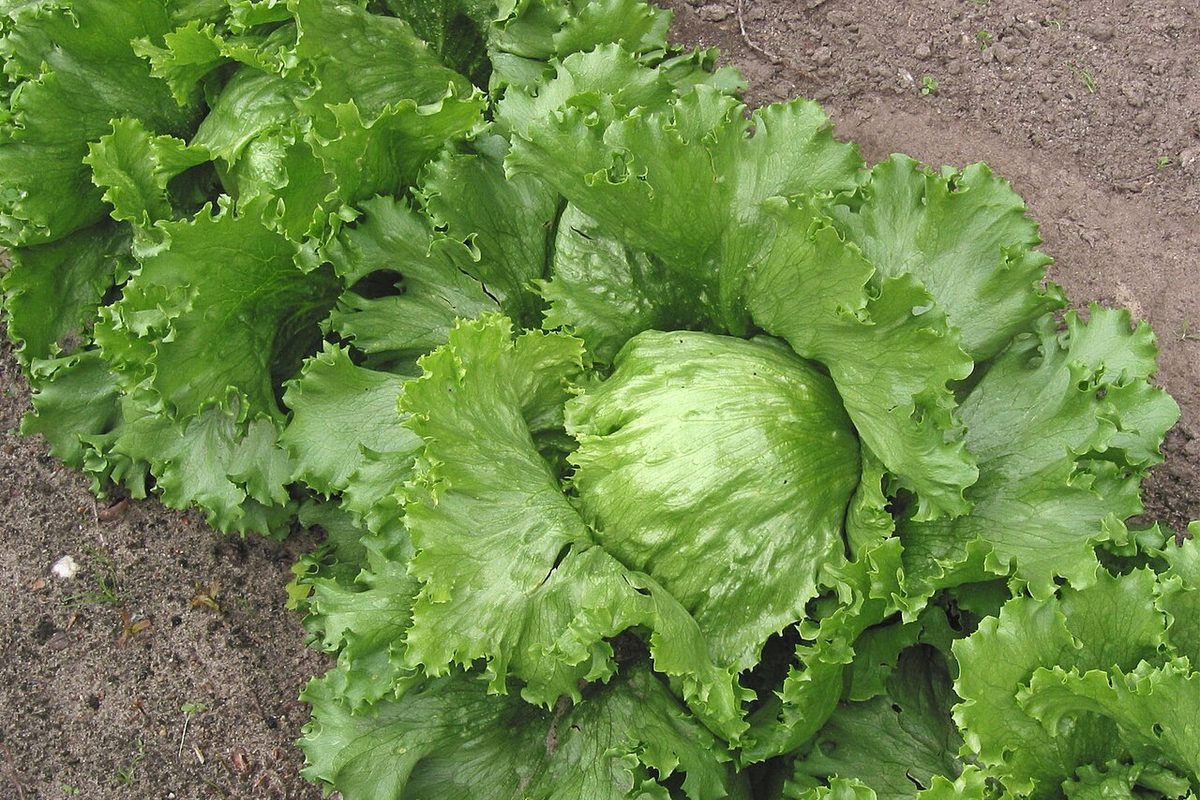
The Cyclospora outbreak now at 20 states and 11,458 confirmed illnesses is not the first time this parasite has been traced to iceberg-type greens processed by Taylor Farms in central Mexico. In 2013, state investigators in Iowa and Nebraska linked 242 Cyclospora infections to a salad mix from Taylor Farms de México, in Doctor Mora, Guanajuato. The FDA went to the plant, and what it wrote down that August is worth reading again today.
Two outbreaks, thirteen years apart
2013 — Cyclospora, salad mix. 242 infections in Iowa and Nebraska, traced through Olive Garden and Red Lobster locations, to Taylor Farms de México in Guanajuato. Similar illnesses in 20 other states were never definitively linked.
2026 — Cyclospora, iceberg lettuce. 11,458 laboratory-confirmed illnesses across 20 states, at least 495 hospitalizations, 2 deaths, traced to iceberg lettuce from a Taylor Farms processor in central Mexico. Product withdrawn July 17.
What the FDA wrote in 2013
Between August 11 and 19, 2013, the FDA carried out an environmental assessment at the Taylor Farms de México processing facility and five farms identified by the traceback, with the cooperation of Mexican authorities and the company. Its overall conclusion was mild: conditions and practices observed at the time were broadly in line with known food safety protocols.
But the assessment recorded two specific findings. Salad mix components were being washed in recycled wash water — which, in the FDA’s own words, could create the potential for cross contamination and the spread of Cyclospora. And some employee hand-washing facilities did not appear to be of sanitary design.
Recycled wash water is exactly the mechanism by which a parasite shed in small quantities on a few heads of lettuce ends up distributed across a production run. That is not hindsight: it is what the agency identified, in writing, in 2013, in connection with this parasite, at this processor.
2024: a different pathogen, a familiar ending
In autumn 2024, slivered yellow onions supplied by Taylor Farms to McDonald’s were identified as the likely source of an E. coli O157:H7 outbreak across 14 states: 104 illnesses, 34 hospitalizations, four cases of hemolytic uremic syndrome, and one death. Onsets ran from September 12 to October 21; the company recalled on October 22; the CDC declared the outbreak over on December 3.
The detail that matters for our purposes is how it closed. The FDA ended the investigation without ever recovering the outbreak strain from an onion. The link rested on epidemiology and traceback. The Colorado Springs facility received a Form 483 — the notice inspectors issue when they observe conditions that may violate the law.
What a pattern does and does not prove
Three outbreaks over thirteen years is a pattern worth naming. It is not, on its own, proof of negligence, and it would be dishonest to present it as such.
Taylor Farms is one of the largest fresh-produce processors in North America. Volume alone guarantees that it will appear in more outbreak investigations than a small grower, in the same way that the largest airline records the most incidents. A fair reading has to account for that. The company has also publicly disputed being the source of the current outbreak, as it did in 2013.
What the record does show is a recurring shape. In 2013, the traceback linked 242 cases but left illnesses in 20 other states unresolved. In 2024, the strain was never recovered from the product. In 2026, the recall carried no lot number at all, leaving consumers with nothing to check against. Each investigation identified a probable source and then ran out of road before it reached certainty — and each time, the gap between “probable” and “proven” was where the accountability went.
Why this compounds the counting problem
We wrote separately about the gap between national and state case counts: the CDC reports 11,458 confirmed illnesses while Michigan alone counts 14,718, because the national figure includes only laboratory-confirmed cases and lags roughly six weeks behind onset.
Put the two together and the difficulty becomes clearer. An outbreak whose official size is structurally understated, traced to a supplier whose previous investigations closed without a definitive finding, is an outbreak that is very hard to hold anyone to account for. Not because anyone lied, but because every individual step is defensible while the sum of them lands nowhere.
What to do
Nothing about the 2013 or 2024 outbreaks changes what to do today: the recalled lettuce is long past its expiry and out of stores. If you had watery diarrhea, cramping and heavy fatigue since June — especially symptoms that eased and came back — ask a provider specifically about Cyclospora, because a standard stool panel does not test for it. The practical lesson from thirteen years of these investigations is narrower and duller: when a recall names a product but no lot code, there is nothing a shopper can verify, and the burden quietly shifts from the company to you.
Sources
- FDA — Environmental assessment, Taylor Farms de México processing facility and associated farms, August 11–19, 2013, conducted following the Cyclospora traceback; findings on recycled wash water and hand-washing facilities: fda.gov
- CDC / state health departments — 2013 cyclosporiasis outbreak: Iowa and Nebraska investigations linking 242 restaurant-associated infections to salad mix produced by Taylor Farms de México, Doctor Mora, Guanajuato.
- FDA — Outbreak investigation of E. coli O157:H7, slivered onions, October 2024: 104 illnesses, 34 hospitalizations, 1 death across 14 states; investigation closed without recovery of the outbreak strain from product: fda.gov
- CDC — Cyclospora outbreak linked to iceberg lettuce, 2026 investigation updates: cdc.gov
Outbreak findings and inspection observations come from published U.S. Food and Drug Administration and Centers for Disease Control and Prevention records. This article is independent consumer information and analysis; it is not affiliated with the FDA, the CDC, or any company named, whose names are used for identification purposes only. Nothing here asserts wrongdoing beyond what those public records state. It is not medical or legal advice.
Know before you eat
Numeline scans a product and checks it against official FDA and USDA recalls — and flags allergens and foods to avoid for each member of your household. Free on iOS and Android.