Star Meat Delivery recalled 167,639 pounds. There is nothing for a shopper to check.
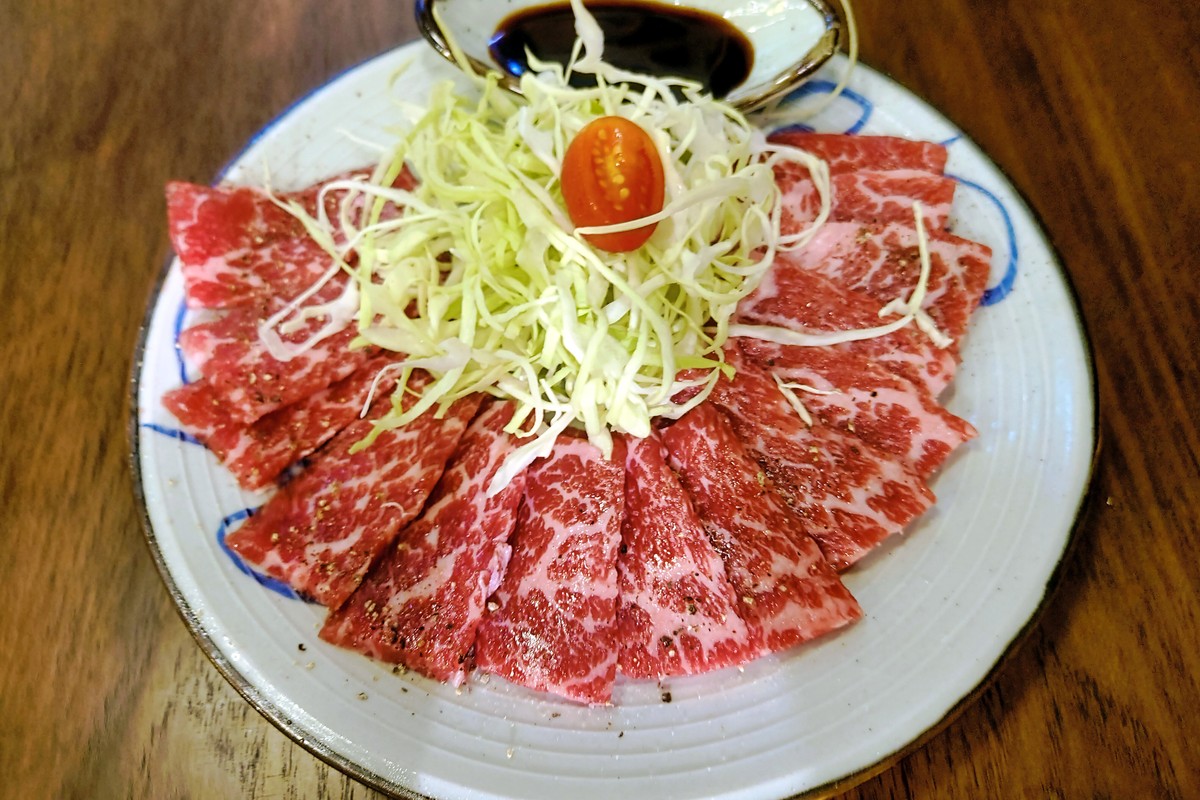
On September 22, 2026, the USDA's Food Safety and Inspection Service announced that Star Meat Delivery Inc. of Lucama, North Carolina, was recalling roughly 167,639 pounds — about 76 tonnes — of raw pork, beef and goat. The meat was produced without federal inspection and shipped bearing a false USDA mark of inspection. It is a Class I recall, the agency's most serious tier, and the distribution is nationwide. It is also, unusually, a recall that gives the public almost nothing to act on.
The recall, in numbers
Firm: Star Meat Delivery Inc., Lucama, North Carolina. Recall number: 022-2026. Announced: September 22, 2026. Quantity: approximately 167,639 pounds. Classification: Class I — high risk. Products: 23 raw pork, beef and goat items sold in bulk under the A&D Foods label. The marker: false establishment number “EST. 1363”. Distribution: shipped to A&D Foods, a distributor in Georgia, then on to retail and restaurants nationwide. Discovered: during FSIS surveillance. Illnesses: none reported. Firm contact: 252-239-0610.
What Star Meat Delivery is recalling
Twenty-three items, all raw, all vacuum-packed and boxed for bulk shipment. The goat: cut and skin-on cut, in 10 lb packs. The beef: sliced ribeye, thin-sliced chuck, oxtail, short ribs in several thicknesses, bone-in shanks, beef feet. The pork: ground, chorizo, bone-in chops, pigs' feet in six- and eight-piece packs, rib pieces, Boston butt diced, sliced and thin-sliced, hocks. Plus a 30 lb “Menudo Mix”.
The list reads like the inventory of a business supplying Latin American and Caribbean kitchens — cuts that rarely appear in a national recall and that go to independent grocers, carnicerías and restaurants rather than to supermarket chains. FSIS notes it may add items and labels as more information arrives, so the list above is a floor.
A fake number, not a missed inspection
There is a meaningful difference between meat that skipped inspection and meat that was dressed up to look inspected. This is the second.
Every federally inspected plant carries a grant of inspection and an establishment number printed inside the USDA mark. The number is the audit trail: it says which building the meat came from and which inspectors were standing in it. FSIS states plainly that “EST. 1363” does not have a federal grant of inspection, and that any product bearing it “should be considered misbranded and unsafe to eat.”
A wrong number is worse than no number. Absent labelling invites a question; a plausible-looking mark closes it. A buyer at a distributor or a restaurant sees the shield, ticks the box, and moves on. That is precisely how 76 tonnes travelled from North Carolina through a Georgia distributor to retail counters across the country, before a routine surveillance check caught it.
Why this recall is unusually hard to check
Most recalls hand you an identifier: a lot code, a best-by date, a UPC. This one contains a sentence that quietly removes all three. In the FSIS notice:
The products were vacuum-sealed and packed into cardboard boxes for shipment; individual consumer packages may not bear this labeling, as retail stores may have applied their own stickers with pricing and safe handling instructions.
Read that again from a kitchen. The recall identifies boxes. What you bought was a vacuum pack from a counter, priced and labelled by the shop. The A&D Foods name, the product description, the EST. 1363 mark — none of it necessarily reached you. FSIS says it is concerned product is already in consumers' refrigerators and freezers, and in the same breath explains why those consumers cannot tell.
This is the honest limit of any recall-checking tool, including ours. Scanning a barcode or typing a lot number works when an identifier survives to the consumer. Here the identifier was covered by a price sticker. The only practical handle left is the shop: if you bought raw pork, beef or goat in vacuum packs from an independent grocer or butcher recently, the question worth asking is not “what does my label say” but “do you buy from A&D Foods”.
FSIS says it will post retail distribution lists on its recall page when they are available. For a recall with no consumer-visible identifier, that list is the single most useful thing the agency can publish, and it is worth checking back for.
The largest uninspected-meat recall of the year
We counted the FSIS recall records for 2026. Star Meat Delivery is the second-largest recall of the year by weight, behind only Ajinomoto's 3.37 million pounds of chicken fried rice. Within the narrower category of meat produced without the benefit of inspection, it is not merely the largest — it accounts for 86 percent of the pounds recalled in that category all year:
| Date | Firm | Pounds |
|---|---|---|
| Sept 22, 2026 | Star Meat Delivery | 167,639 |
| Aug 26, 2026 | Shanghai Ravioli | 24,900 |
| Aug 17, 2026 | Indus Foods / Gangothri | 1,626 |
The Shanghai Ravioli case was the same species of problem: buffalo chicken sold for about a year under an inspection mark that was not real. Two of the three largest uninspected-meat recalls of 2026 involve a counterfeit mark rather than an oversight. That is a pattern worth naming, and it is not one a consumer can do anything about at the shelf — the mark looks right by design.
What to do
Do not eat raw pork, beef or goat that carries establishment number EST. 1363 or the A&D Foods label. Throw it away or return it. If your packaging was applied by the shop and shows neither, and you bought vacuum-packed raw meat from an independent grocer, butcher or carnicería in recent weeks, ask the shop directly whether they are affected — they will have been notified. Restaurants and retailers must not sell or serve these products.
Food produced without inspection can carry undeclared allergens, harmful bacteria or other contaminants. No illnesses have been linked to these products so far. If you are worried about a symptom, contact a healthcare provider; for food safety questions, the USDA Meat and Poultry Hotline is 888-674-6854.
Sources
- USDA FSIS — Star Meat Delivery Inc. Recalls Raw Pork, Beef, and Goat Products Produced Without the Benefit of Inspection, recall 022-2026, September 22, 2026: fsis.usda.gov
- USDA FSIS — Recalls and Public Health Alerts, where retail distribution lists are posted: fsis.usda.gov
- USDA FSIS — Recall data API, the machine-readable source used for the 2026 counts above: fsis.usda.gov
- USDA FSIS — The Mark of Inspection, on establishment numbers and what the shield certifies: fsis.usda.gov
Recall details — firm, quantity, products, establishment number, distribution and classification — come from the U.S. Department of Agriculture's Food Safety and Inspection Service. The 2026 comparison figures are Numeline's count of the agency's own published recall records. This article is independent consumer information; it is not affiliated with the USDA or the companies named, whose names are used for identification purposes only. It is not medical advice.
Know before you eat
Numeline scans a product and checks it against official FDA and USDA recalls in real time — and flags allergens and foods to avoid for each member of your household. Free on iOS and Android.