The Taylor Farms Cyclospora Outbreak Grew — the Taco Bell Link, and the False Positive Confirmed
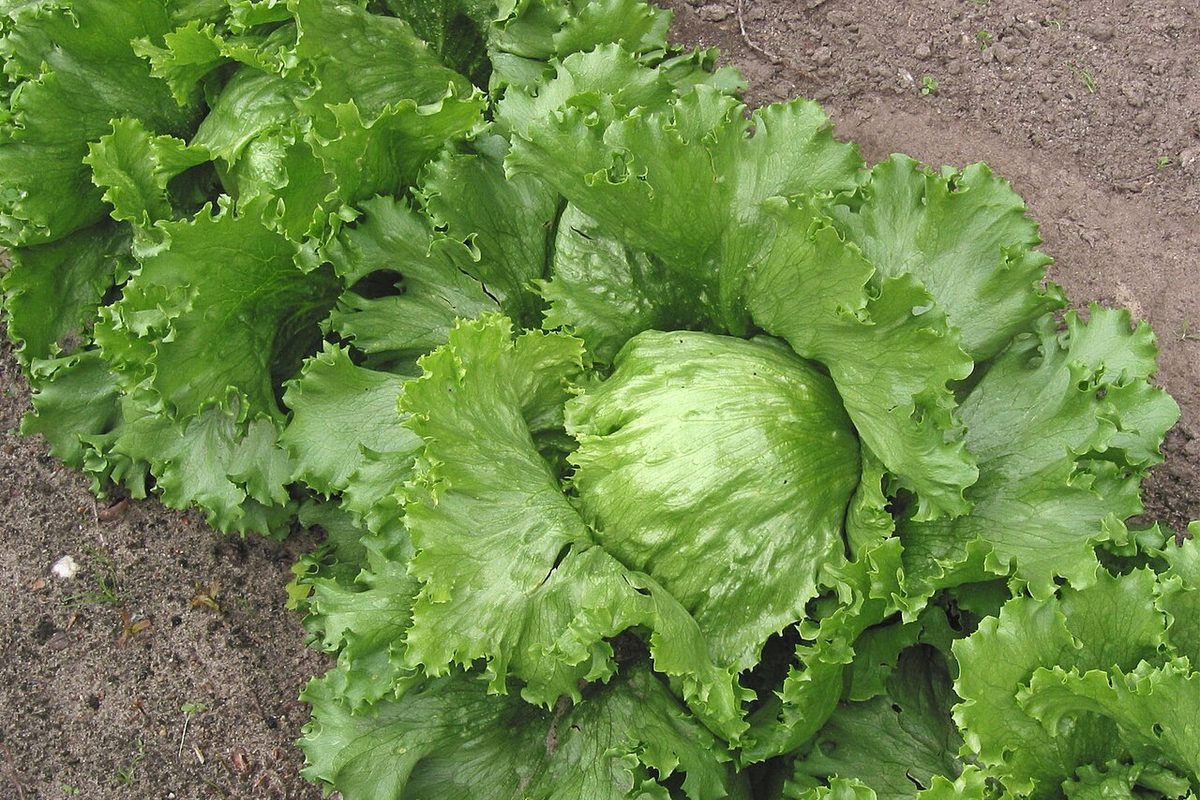
A week after we first explained the recall, the numbers have moved sharply — and the one lab result everyone latched onto has been officially walked back. Here's where the Taylor Farms cyclospora outbreak stands now, and why the "false positive" doesn't clear the lettuce.
We covered the original recall in Taylor Farms Iceberg Lettuce, Cyclospora, and the Recall That Had No Lot Number. This is the update.
Bigger, and now tied to Taco Bell
The outbreak has grown from the early five-state snapshot to nine states — Illinois, Indiana, Kansas, Kentucky, Michigan, Ohio, Oklahoma, Pennsylvania and West Virginia. Across them, 1,947 people infected with Cyclospora and reporting exposure to Taco Bell have been counted, with at least 98 hospitalizations and no deaths. Investigators have linked a five-state cluster to iceberg lettuce supplied by Taylor Farms de México and served at Taco Bell.
The recalled lettuce was harvested from a single farm in central Mexico and distributed, food-service and retail, from June 29 through July 16, 2026, to 27 states. Taylor Farms has since voluntarily suspended all iceberg sourcing and production from central Mexico, and updated its recall on July 30.
The "positive" is now, officially, a false positive
In the first article we quoted food-safety attorney Bill Marler on the FDA's border sample that tested positive for Cyclospora, then got walked back. That reversal is now firm: the FDA has stated the July 18 sample result "does not represent true amplification," and as of July 24 there were no confirmed positive product samples in the outbreak at all.
It's tempting to read "no positive samples" as "the lettuce is cleared." It isn't — and this is the part worth internalizing. As Marler put it:
“The victims ate the evidence.” — Bill Marler, Marler Blog
Cyclospora cayetanensis can't be cultured, contamination on field greens is patchy, and PCR methods miss lightly contaminated produce most of the time — so a clean sample is close to no information. The case here rests on traceback and patient interviews (what sick people ate, and where the supply chain leads), not on a test tube. The full science is in our original explainer and in Mr. Marler's post, linked above.
What it means for you, now
The practical picture hasn't changed, only sharpened. The exposure ran mostly through a restaurant, so there's no barcode on a bag to scan for most people. But the same lesson stands for the retail lettuce that was distributed: recalls announced by "Best if Used By" date ranges rather than lot numbers are only useful if you can put the official window next to the product in your hand. When you can't confirm a fresh-produce item's source and it falls in a recall window, the cautious move is to throw it out.
What to do
If you ate at Taco Bell in an affected state during this window and have prolonged watery diarrhea, cramping and fatigue, contact a healthcare provider and ask specifically about Cyclospora — routine stool tests don't always look for it. For iceberg or iceberg-blend lettuce you can't source, discard it rather than assume it's safe; absence of a lot match is not a guarantee.
Sources
- FDA — Investigation of a 9-State Cyclospora Outbreak: Iceberg Lettuce (July 2026): fda.gov
- Taylor Farms — Product recall information: taylorfarms.com/recall
- Bill Marler, Marler Blog — on the FDA sample reversal: marlerblog.com
Case counts and recall facts come from public FDA notices and the FDA/CDC outbreak investigation (U.S. government works, public domain). Analysis and the quoted line are attributed to Bill Marler and linked to the original. This article is independent reporting for consumer information and is not affiliated with, or endorsed by, the FDA, Taylor Farms, Taco Bell, or Marler Clark.
Know before you eat
Numeline scans a product and checks it against official FDA & USDA recalls in real time — and flags allergens for your dietary profile. Free on iOS and Android.