Taylor Farms Iceberg Lettuce, Cyclospora, and the Recall That Had No Lot Number
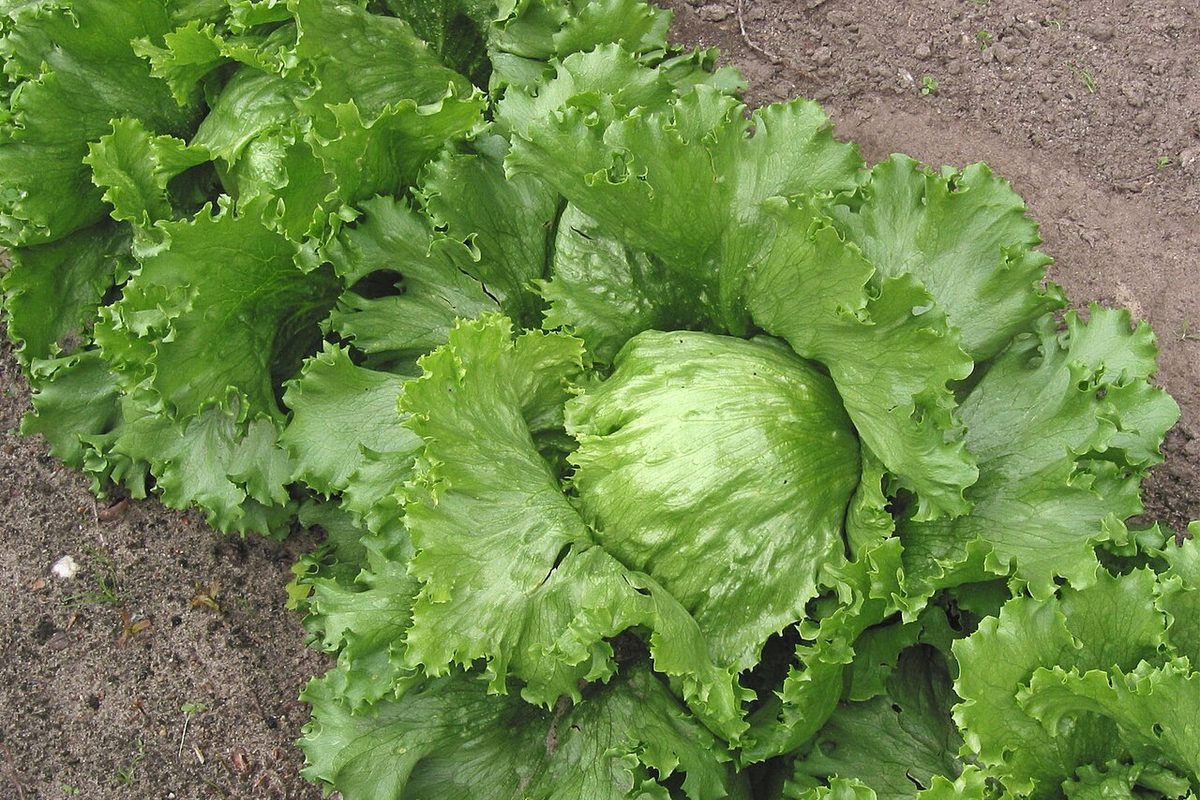
A multistate outbreak sickened more than 1,600 people. The recall that followed is a textbook example of why food recalls are so hard to act on — and why a single "positive" lab sample tells you far less than it seems.
In July 2026, Taylor Fresh Foods pulled all of its central-Mexico iceberg lettuce from the U.S. market after the product was tied to a large Cyclospora outbreak. Taco Bell removed the ingredient nationwide. On paper it looks like a clean sequence: outbreak, traceback, recall. In practice, it is one of the messiest — and most instructive — food-safety stories of the year.
The facts, from the official notice
According to the FDA's own recall notice, Taylor Fresh Foods recalled iceberg lettuce sourced from central Mexico (supplied by Taylor Farms de Mexico) "because of possible health risk" from Cyclospora. The recall covers food-service product distributed between June 29 and July 16, 2026, identified in the notice by a table of brands (CV, JB, MARK), descriptions ("BLEND LETT/ROM," "LETTUCE CHOP," "LETTUCE SHRED"), and "Best if Used By" dates ranging from 7/16/2026 to 8/3/2026.
The outbreak behind it was large. The FDA and CDC investigation logged 1,644 laboratory-confirmed infections across five states — Indiana, Kentucky, Michigan, Ohio, and West Virginia — with 94 hospitalizations. In Michigan, investigators pulled ingredient-level detail from 190 cases; roughly 90% reported eating iceberg lettuce. The traceback converged on a single supplier.
The "positive" that wasn't
Then came a twist that food-safety attorney Bill Marler dissected on his blog. The FDA first told the press that a border sample of shredded iceberg from Taylor Farms de Mexico had tested positive for Cyclospora — then, a day later, reversed itself, saying the result "does not represent true amplification." As of that reversal, there were no confirmed positive product samples in the outbreak at all.
That reversal sounds like it should weaken the case against the lettuce. It doesn't — and Marler explains why in a line worth quoting:
“The victims ate the evidence.” — Bill Marler, Marler Blog
His point is about biology and the calendar. Cyclospora cayetanensis cannot be cultured — there is no way to grow it before testing, so detecting it in food means washing produce and running PCR on whatever DNA comes out. Contamination on a field-grown leaf is patchy, and validation studies found the method misses lightly contaminated greens most of the time. So a clean sample is not exoneration — it's close to no information at all.
And the sampled lettuce wasn't even the recalled lettuce. Illness onsets began in May; the recall covers product shipped late June to mid-July; the "positive" sample was pulled at the border off product still crossing into the country — a lot Taylor Farms confirmed was never part of the recall. Three different sets of lettuce. By the time anyone knew what to test, the lettuce that made people sick had already been eaten. The outbreak case rests on epidemiology — what sick people ate and where the supply chain leads — not on a test tube. (We're citing and linking Mr. Marler's analysis; the full argument, and the science behind it, is worth reading in his own words.)
Why this recall is so hard for a consumer to act on
Step back from the science and look at the recall as a shopper would. Two things stand out.
First, there are no lot numbers. The FDA notice identifies affected product by "Best if Used By" date ranges, not by a lot code you can match at a glance. That is common for fresh produce, and it makes verification genuinely difficult — you're comparing a date window, not a unique identifier.
Second, it's food-service product. These are 4×5 lb cases (brands CV, JB, MARK) sold to restaurants, not bags on a grocery shelf. The public exposure ran through a restaurant — Taco Bell — which is why the company pulled the ingredient nationwide rather than issuing consumer refunds.
Both points are the real lesson of this outbreak: the information that protects you exists and is official, but it is not always in a form you can use in the moment. A recall announced with a table of "Best if Used By" dates is only useful if you can put it next to the product in your hand.
What to do
If you have iceberg or iceberg-blend lettuce with a Best if Used By date of 8/3/2026 or earlier and can't confirm its source, the cautious move is to throw it out — absence of a lot match is not a guarantee of safety. Cyclospora causes watery diarrhea, cramping, and fatigue lasting weeks; if you ate iceberg lettuce in this window and have symptoms, contact a healthcare provider (standard stool tests don't always look for it unless asked).
Sources
- FDA — Taylor Fresh Foods recall notice (brands, descriptions, Best if Used By dates): fda.gov
- FDA — Investigation of the 5-State Cyclospora Outbreak (Iceberg Lettuce, July 2026) — case counts and traceback
- Bill Marler, Marler Blog — on the FDA sample reversal: marlerblog.com
Recall facts and figures come from public FDA notices and the CDC/FDA outbreak investigation (U.S. government works, public domain). Analysis and the quoted line are attributed to Bill Marler and linked to the original. This article is independent reporting for consumer information and is not affiliated with, or endorsed by, the FDA, Taylor Farms, Taco Bell, or Marler Clark.
Know before you eat
Numeline scans a product and checks it against official FDA & USDA recalls in real time — and flags allergens for your dietary profile. Free on iOS and Android.