bettergoods: one store brand, two recalls, two different factories
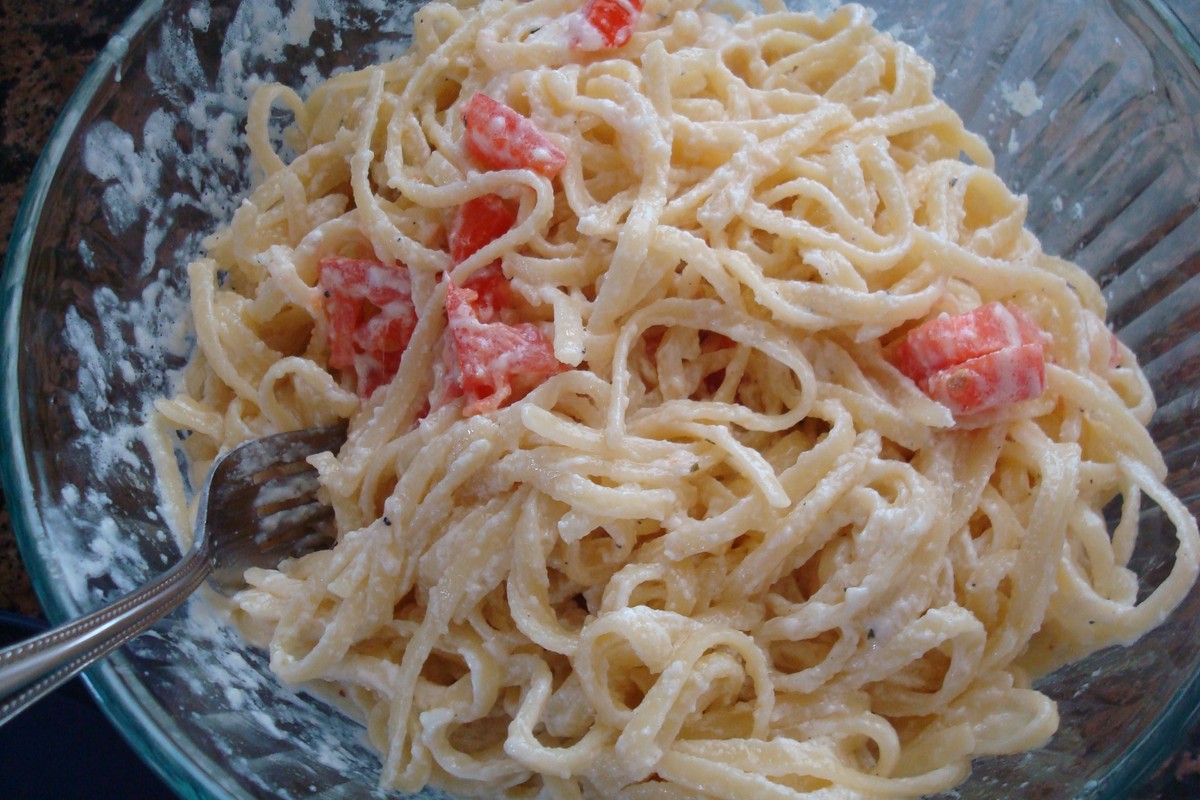
On September 15, 2026, Gias Foods of New York recalled two lots of bettergoods Authentic Italian Lemon Alfredo Fettuccine over possible Listeria monocytogenes contamination, sold nationwide at Walmart. Two months earlier, a different company recalled bettergoods Pistachio Nut Butter for Salmonella — a Class I recall the FDA still lists as ongoing. Same brand on the front of the pack, two unrelated hazards, two manufacturers with no connection to each other. That is not a coincidence so much as a description of how store brands work.
The two recalls
September 15, 2026 — Gias Foods, Inc. (New York, NY). bettergoods Authentic Italian Lemon Alfredo Fettuccine, frozen, 22 oz yellow plastic package. UPC 194346442706. Lots L6079C and L6080C, expiration 09/19/2027 or 09/20/2027, stamped on the back. Hazard: Listeria monocytogenes. Distributed nationwide at Walmart. Return to the place of purchase for a full refund.
July 2026 — Botticelli Foods, LLC. bettergoods Pistachio Nut Butter, net wt 6.7 oz (190 g). UPC 194346207961. Lot LB028ACP04, expiration January 28, 2027. Hazard: Salmonella. FDA recall number H-1273-2026, Class I, 16,200 units, initiated July 17, 2026, status ongoing.
A brand is a name, not a factory
A private label — a store brand — is a set of packaging standards and a purchasing contract. The retailer specifies the recipe, the price and the look; independent manufacturers make the product. A single private label can span hundreds of items made in dozens of unrelated plants, each with its own equipment, its own suppliers and its own inspection record.
So the two bettergoods recalls are not evidence of one failing factory. They are two separate failures that happen to share a wrapper. Frozen pasta with a dairy sauce and pistachio butter have almost nothing in common: different pathogens, different processes, different risks. Listeria thrives in cold, damp, ready-to-eat environments — chillers, drains, slicers. Salmonella in a nut butter usually arrives with the nuts and survives because nothing in the process kills it.
What the two do share is the only thing a shopper sees. Someone who hears “bettergoods recalled” has no way to tell whether their jar is affected, because the brand is not the unit of contamination. The lot code is.
Why the bettergoods lot code is the whole answer
Both notices are unusually precise about this. The fettuccine recall covers exactly two lots, L6079C and L6080C — two production runs, identifiable by a string printed on the back. Every other bettergoods fettuccine is outside the recall. The pistachio butter recall covers one lot, LB028ACP04, across 16,200 units.
This precision is a gift and a trap. A gift, because it means most people holding the product are not affected and can confirm it in seconds. A trap, because brand-level alerts — the kind that circulate on social media and in news roundups — are wrong for the overwhelming majority of people who own the product. Being wrong that often is how people learn to ignore recall alerts altogether.
What “ongoing” means for the pistachio butter
The pistachio butter recall was initiated in July and the FDA still lists it as ongoing. That word is an administrative state, not a shelf state: it means the agency has not yet closed the file, pending effectiveness checks and the firm's final report. It does not mean contaminated jars are still being sold two months on.
It does mean something for a pantry, though. A nut butter with a January 2027 expiration bought in June or July is still perfectly in date, sitting at the back of a cupboard, and its owner has no reason to look at it again. Class I is the FDA's top tier — reserved for hazards with a reasonable probability of serious harm or death. That combination, a long shelf life and a serious hazard, is exactly when it is worth going to look.
What to do
Frozen fettuccine: check the back of a 22 oz bettergoods Authentic Italian Lemon Alfredo Fettuccine pack, UPC 194346442706. If the lot reads L6079C or L6080C with an expiration of 09/19/2027 or 09/20/2027, do not eat it — return it to Walmart for a refund. Listeria is dangerous to pregnant people, newborns, adults over 65 and anyone immunocompromised, and it can cause miscarriage and stillbirth; symptoms can appear weeks after exposure.
Pistachio butter: check a 6.7 oz bettergoods jar, UPC 194346207961, for lot LB028ACP04 with a January 28, 2027 expiration. If it matches, do not eat it. Wash anything either product touched with hot soapy water.
Sources
- FDA — Gias Foods, Inc. Recalls Bettergoods Authentic Italian Lemon Alfredo Fettuccine Because of Possible Health Risk, September 15, 2026: fda.gov
- FDA — Boticelli Foods Recalls Bettergoods Pistachio Nut Butter Because of Possible Health Risk: fda.gov
- openFDA — Food enforcement report H-1273-2026, Botticelli Foods, LLC; Class I; initiated July 17, 2026; 16,200 units; status ongoing: open.fda.gov
- FDA — Recalls background and definitions, on recall classes and what “ongoing” means: fda.gov
Recall details — products, UPCs, lot codes, quantities and classifications — come from the U.S. Food and Drug Administration's published recall notices and enforcement reports. This article is independent consumer information; it is not affiliated with the FDA, Walmart or the companies named, whose names are used for identification purposes only. It is not medical advice.
Know before you eat
Numeline scans a product and checks it against official FDA and USDA recalls in real time — and flags allergens and foods to avoid for each member of your household. Free on iOS and Android.