 Numeline
Every deli salad and cream cheese from one NYC supplier, recalled
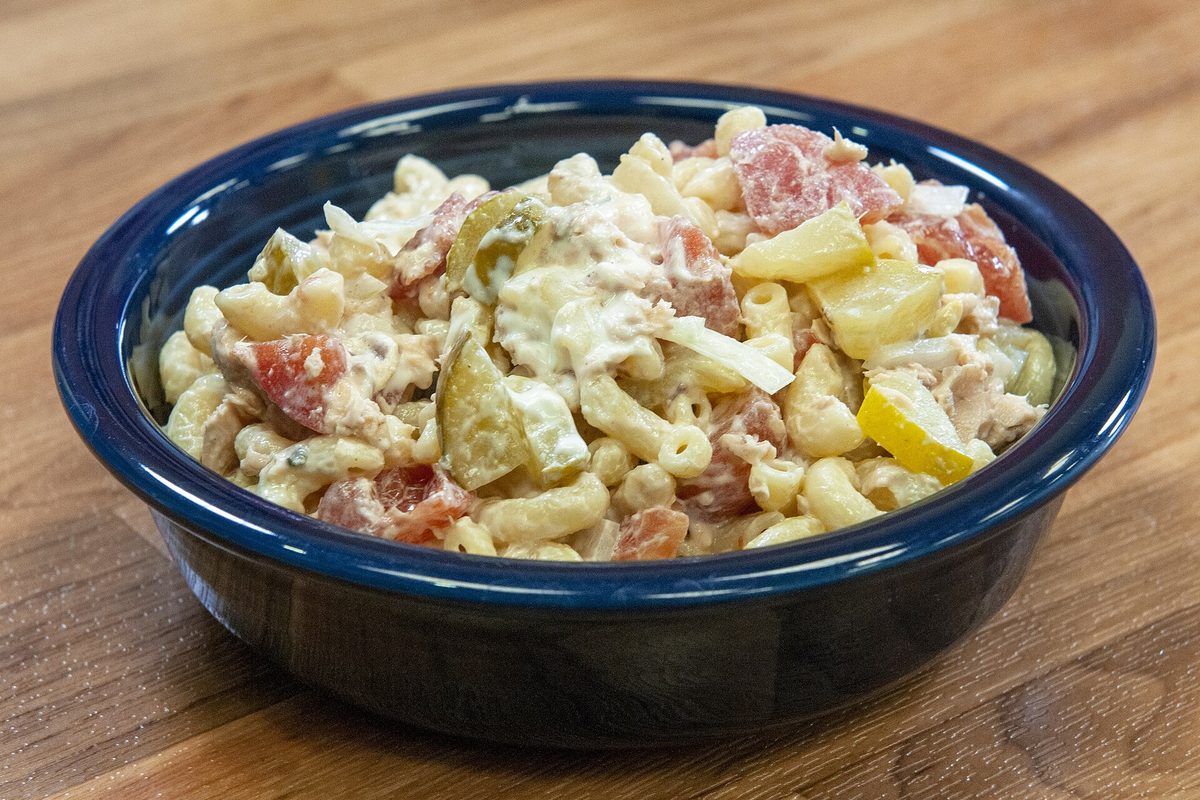
On September 6, 2026, Made Fresh Salads, Inc. of Bay Shore, New York recalled every ready-to-eat deli-style salad and every cream cheese it makes — dozens of products across two brands — over possible Listeria monocytogenes contamination. No illnesses have been reported. The recall came from environmental sampling: swabs of the plant itself came back positive. And it is the third Listeria recall traced to this one facility in under a year.
What to check, right now
Where to look: the expiration date, printed in the bottom left corner of the label.
Dates recalled: September 3 through September 18, 2026.
Brands: Made Fresh Salads and Northside.
Products: the full deli-salad range and the full cream cheese and spread range.
Where sold: Brooklyn, Queens, the Bronx and the rest of New York City, delivered directly to retail stores and distributors.
Questions: the company, (718) 765-0082, weekdays 9 a.m. to 5 p.m. Eastern.
That date range matters more than usual. These are short-shelf-life refrigerated foods, and the recall reaches forward to September 18 — so a tub bought this week is very likely still in date and still in the fridge. This is not a notice to read and file away.
Three recalls, one plant, and an escalating pattern
Read on its own, this is a routine precautionary recall with no illnesses. Read against the plant’s own record, it looks different. Three Listeria recalls have come out of the same Bay Shore facility in under a year, and where the bacterium was found each time tells a story.
| When | What was recalled | Where Listeria was found |
|---|---|---|
| October 2025 | All lots of LoBoy and Made Fresh Salad macaroni salad and tuna deluxe salad | In the finished product, sampled by New York State Department of Agriculture and Markets inspectors |
| February 2026 | Fourteen cream cheese and tofu spread items in 5 lb tubs | On a part of the mixer used to make finished product, found by the company’s own routine sampling |
| September 2026 | Every deli salad and every cream cheese the plant makes | In areas of the facility, found by environmental sampling by the FDA and the company |
Product, then a machine, then the building. Each recall was handled — the February one was completed and formally terminated by the FDA — and each time the organism turned up again somewhere further upstream.
That progression is the recognisable signature of Listeria settling into a production environment rather than arriving with a bad ingredient. The bacterium tolerates cold and damp, colonises drains, floor seams, gaskets and the inside of equipment, and survives cleaning cycles that look thorough. Once it is established, it seeds finished product intermittently, which is exactly what a sequence of unconnected-looking recalls over a year looks like from outside. We saw the same shape in the Clover Hill Dairy outbreak, where a single strain persisted for more than three years before the genetic link was made.
The difference here, and it is a real one: nobody has been reported ill. The sampling found the problem before the epidemiology did.
Why a deli-counter recall is hard to act on
The recall identifies products by an expiration date printed in the bottom left corner of the label. That works if you have the tub. It works less well for the way a lot of this food is actually sold.
These salads went by direct delivery to retail stores across four boroughs — the delis, bodegas and small groceries that scoop salad from a display case into a container at the counter. A half-pound of macaroni salad handed over in a clamshell does not carry the manufacturer’s label, its expiration date, or the brand name. The buyer has no way to connect what is in their fridge to this notice.
It is the same blind spot we wrote about on the French side, where recalls of loose products sold at the traditional counter reach almost nobody, because the packaging that carries the identifying code is thrown away before the customer ever sees it. If you bought deli salad by weight in New York City in the past two weeks and cannot identify it, the cautious move is to discard it rather than try to establish what it was.
What Listeria actually does
Listeria monocytogenes is dangerous to a specific group: pregnant women and their newborns, adults over 65, and people with weakened immune systems. In those groups it can cause serious and sometimes fatal infection, and in pregnancy it can cause miscarriage, stillbirth or premature delivery. Healthy adults usually get a short gastrointestinal illness or nothing at all.
Two features make it awkward. It grows at refrigerator temperature, so time in the fridge does not help. And symptoms can appear up to two months after exposure, which is why an exposure from early September still matters in October.
What to do
Check the bottom left of the label on any Made Fresh Salads or Northside deli salad, cream cheese or spread. If the expiration date falls between September 3 and September 18, 2026, do not eat it — return it to the store for a full refund or throw it away. Wash the fridge shelf and any container or utensil it touched, since Listeria spreads on cold surfaces. If you bought deli salad loose at a counter in Brooklyn, Queens or the Bronx and cannot identify the maker, discard it. If you are pregnant, over 65 or immunocompromised and develop fever, muscle aches or confusion within two months, tell a healthcare provider about the exposure.
Sources
- FDA — Made Fresh Salads, Inc. recalls ready-to-eat deli style salads and cream cheese because of possible health risk, September 6, 2026; environmental sampling, expiration dates September 3–18, 2026, no illnesses reported: fda.gov
- FDA — Made Fresh Salads, Inc. recalls assorted flavors cream cheese, February 20, 2026; contamination found on part of the mixer, recall completed and terminated: fda.gov
- FDA — Recalls, market withdrawals and safety alerts, including the October 2025 macaroni and tuna salad recall sampled by New York State Department of Agriculture and Markets: fda.gov
- CDC — Listeria (listeriosis): symptoms, people at higher risk, and prevention: cdc.gov/listeria
Recall details — products, brands, dates, distribution and the method of discovery — come from the U.S. Food and Drug Administration’s published recall notices. This article is independent consumer information; it is not affiliated with the FDA or the company named, whose name is used for identification purposes only. It is not medical advice.
Know before you eat
Numeline scans a product and checks it against official FDA and USDA recalls — and flags allergens and foods to avoid for each member of your household. Free on iOS and Android.