Two sprout outbreaks at once — and the broccoli sprouts recall has no lot number
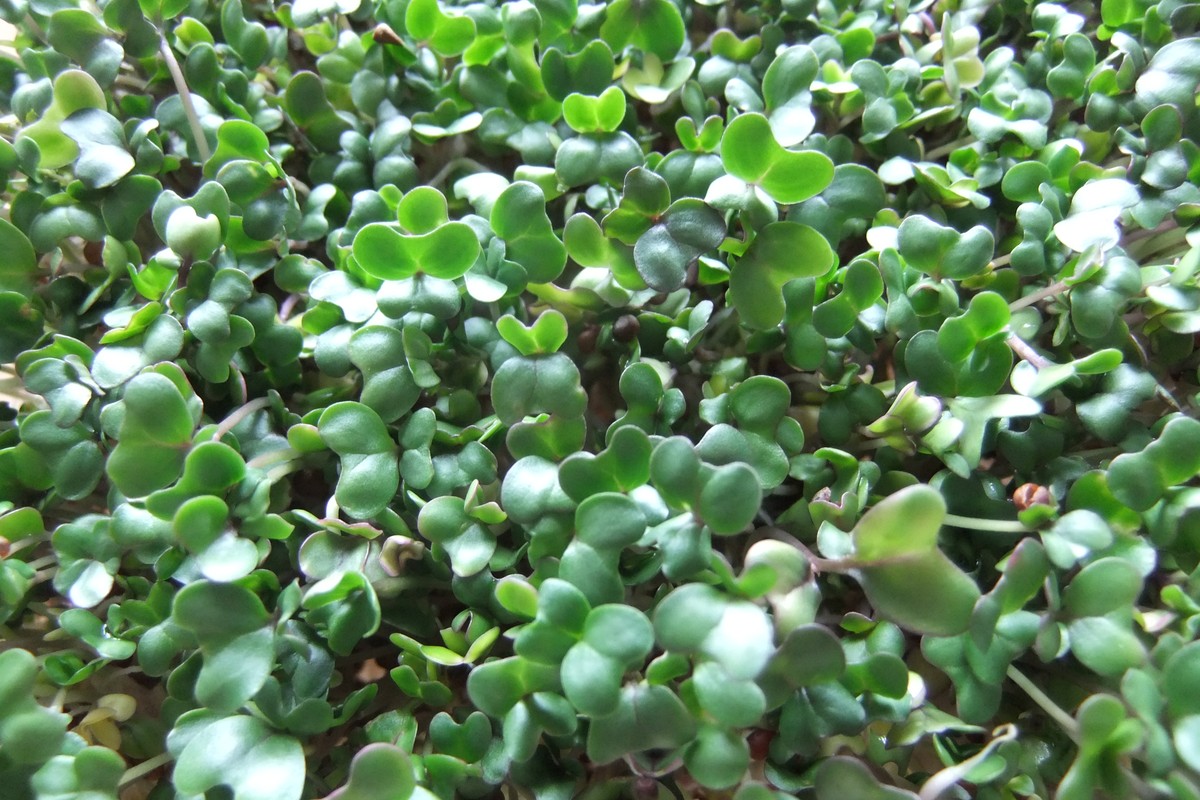
Evergreen Fresh Sprouts, LLC, of Moyie Springs, Idaho, is recalling broccoli sprouts linked to a multistate outbreak of Salmonella Bovismorbificans. The CDC counts 22 illnesses and 2 hospitalizations across four states, with no deaths. What makes this recall awkward for shoppers is not the pathogen. It is the identifier: there is no lot code to check. The recalled bags are told apart by their Use By date — the one number on a package most people have been taught to treat as a suggestion.
The recall, in numbers
Firm: Evergreen Fresh Sprouts, LLC, Moyie Springs, Idaho. Product: Broccoli Sprouts, 4 oz, clear plastic zip-lock bags. UPC: 8 38796 00105 1. Use By dates: 9/07/26, 9/09/26, 9/11/26, 9/14/26 and 9/16/26. Quantity: 215 cases, six bags per case. Sold in: Idaho, Montana and Washington — food co-ops, grocery stores, restaurants and foodservice. Recall initiated: September 4, 2026. Announced: September 10, 2026. Firm contact: 1-208-267-4258.
How the broccoli sprouts outbreak was traced
The epidemiology here is unusually clean. Of the 19 sick people interviewed, all 19 reported eating sprouts, and 17 of them specifically reported broccoli sprouts. A signal that strong is rare in foodborne investigations, where the usual picture is a muddle of overlapping ingredients and half-remembered meals.
Illness onsets run from July 7 to August 26, 2026. Traceback by the FDA and state partners pointed to Evergreen Fresh Sprouts as the common grower. The recall was then triggered by laboratory evidence, not inference alone: Montana state officials collected and tested a broccoli sprouts sample that came back positive for Salmonella, and a third-party laboratory subsequently confirmed a positive result on a bag carrying the 9/16/26 Use By date.
The four states with confirmed illnesses are Idaho, Montana, Utah and Washington. As always, the CDC notes that the real number of sick people is likely far higher than the count, and that the outbreak may not be limited to those states. Most people with salmonellosis never get tested, and each confirmed case represents many that are not.
The other sprout outbreak — and it is not the same one
At the same moment, a separate and larger sprout outbreak is under investigation. Everything Sprouts, LLC, of Minneapolis, recalled alfalfa sprouts sold under the Calco and Everything Sprouts brands on August 22, then expanded the recall on August 28 to include Robust Radish Sprout Mix over cross-contamination risk. That outbreak stands at 55 illnesses, 4 hospitalizations, 15 states, and it involves two pathogens at once: Shiga toxin-producing E. coli and Salmonella. Two people have been infected with both.
The CDC states explicitly that the broccoli sprout outbreak is unrelated to the alfalfa one. Different company, different state, different pathogen. It is worth repeating because coverage tends to blur them into a single scare, and a reader who merges them will both overestimate the broccoli recall and underestimate the alfalfa one.
Why sprouts, again
Sprouts appear in outbreak statistics far out of proportion to how much of them anyone eats, and the reason is structural rather than a matter of one careless grower. Seeds are germinated in warm, humid conditions for days. Those are close to ideal conditions for growing Salmonella and E. coli too. If the seed carries even a small number of bacteria — picked up in the field, in storage, in transport — germination multiplies them.
That is also why the usual consumer defenses do not work well here. Rinsing does not reach bacteria that have grown inside the sprout. Sprouts are normally eaten raw, so there is no cooking step to fall back on. The FDA and CDC have long advised that children, adults over 65, pregnant people and anyone with a weakened immune system avoid raw sprouts entirely, and cook them thoroughly otherwise.
A Use By date is doing the work of a lot code
Most recalls hinge on a lot code — an opaque string like LB028ACP04 that means nothing to a shopper but identifies one production run precisely. Fresh sprouts have a shelf life measured in days, so growers commonly print only a Use By date. In this recall, that date is the identifier.
This creates a practical problem in both directions. A date is easy to read, which helps. But dates are also the thing people already ignore, throw away with the outer packaging, or transfer out of when they decant a bag into a container. And a date is ambiguous in a way a lot code is not: plenty of unaffected broccoli sprouts from other growers carry a Use By date of 9/14/26. The UPC is what disambiguates — 8 38796 00105 1 — and the two have to be read together.
There is a second consequence, less obvious. Automated recall checking — the kind an app does — deliberately refuses to treat a date as a lot number, because doing so produces constant false alarms: any product whose best-before date happens to match a recalled batch would light up. That safeguard is correct, and it means date-identified recalls like this one can only ever be surfaced as verify this yourself, never as a definitive match. The honest answer is the cautious one.
What to do
If you have 4 oz bags of Evergreen Fresh Sprouts broccoli sprouts with UPC 8 38796 00105 1 and a Use By date of 9/07/26, 9/09/26, 9/11/26, 9/14/26 or 9/16/26, do not eat them — throw them away or return them. Wash anything the bag touched with hot soapy water, or run it through the dishwasher: the refrigerator drawer and the cutting board count.
If you have eaten them and develop diarrhea with a fever above 102 °F, diarrhea lasting more than three days, bloody diarrhea, vomiting that prevents you from keeping liquids down, or signs of dehydration, contact a healthcare provider. Symptoms of salmonellosis usually begin 6 hours to 6 days after exposure.
Sources
- FDA — Evergreen Fresh Sprouts LLC Recalls Broccoli Sprouts Because of Possible Health Risk, September 10, 2026 (UPC, Use By dates, quantity, distribution, firm contact): fda.gov
- FDA — Outbreak Investigation of Salmonella: Sprouts (September 2026), case counts and traceback: fda.gov
- CDC — Salmonella Outbreak Linked to Broccoli Sprouts, updated September 11, 2026: cdc.gov
- CDC — E. coli and Salmonella Outbreak Linked to Alfalfa Sprouts (Everything Sprouts, LLC), the separate investigation: cdc.gov
- CDC — Salmonella symptoms and incubation period: cdc.gov
Recall and outbreak details — product identifiers, case counts, states and dates — come from the U.S. Food and Drug Administration and the Centers for Disease Control and Prevention. This article is independent consumer information; it is not affiliated with the FDA, the CDC or the companies named, whose names are used for identification purposes only. It is not medical advice. Figures reflect the agencies’ published updates of September 9 and 11, 2026, and both investigations remain open.
Know before you eat
Numeline scans a product and checks it against official FDA and USDA recalls in real time — and flags allergens and foods to avoid for each member of your household. Free on iOS and Android.