 Numeline
Two lot codes, five months, and a rice recall that never closed
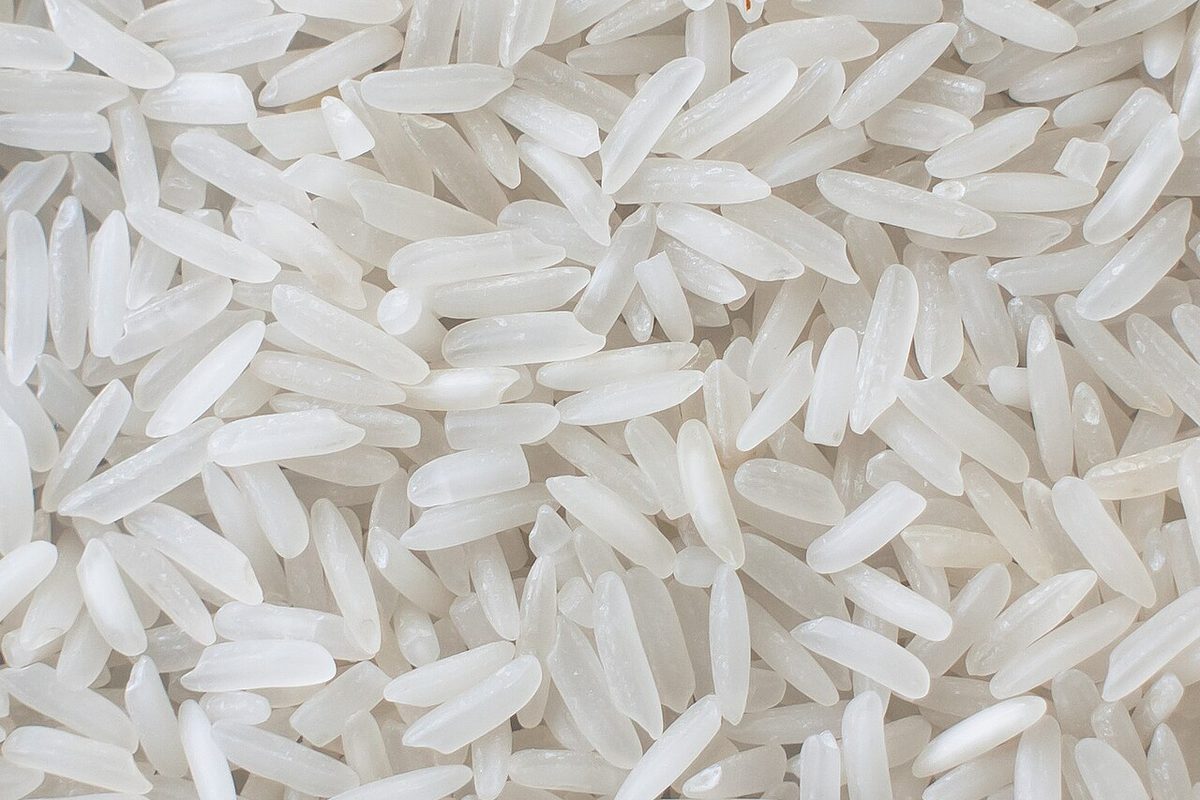
Wehah Farms, of Richvale, California, recalled Lundberg Family Farms White Rice Jasmine in 2-pound bags after the possible presence of foreign material. The FDA classified it Class II. The recall was initiated on April 3, 2026 — and months later it resurfaced in headlines, because the enforcement record still carries one word: ongoing. That word does not mean what most shoppers assume it means.
The recall, in numbers
Product: Lundberg Family Farms White Rice Jasmine, net weight 32 oz (2 lb / 907 g). UPC: 073416040281. Lot codes: 260201MA, best before 01FEB2027, and 260202MA, best before 02FEB2027. Quantity: 27,324 packages — 4,554 cases of six. Recall number: H-0767-2026. Classification: Class II. Initiated: April 3, 2026. Classified: May 7, 2026. Status: ongoing.
What “ongoing” actually means
An FDA recall status is an administrative state, not a shelf state. “Ongoing” means the agency has not yet received and accepted everything it needs to close the file: effectiveness checks, disposition of the returned stock, the firm’s final report. A recall stays ongoing until that paperwork is complete, which can take many months after the last affected bag has left the last shelf.
So a recall opened in April and still listed as ongoing in September is not evidence that contaminated rice is still being sold. It is evidence that a file is still open. The two things get conflated constantly, and the conflation is what generates a second wave of alarming coverage months after the fact — a recall “expanding” when nothing has expanded, only been recorded.
This matters for the opposite reason too. A recall marked terminated is not a promise that every unit was recovered. It means the FDA is satisfied the firm did what it reasonably could. Bags bought before the recall and pushed to the back of a pantry do not know their status has changed.
Twelve states, or thirteen?
The FDA’s enforcement record lists the distribution as twelve states: California, Connecticut, Florida, Illinois, North Carolina, New Hampshire, New York, Pennsylvania, Tennessee, Vermont, Washington and Wisconsin. Foreign distribution: none.
Much of the coverage circulating in late August put the figure at thirteen, with Louisiana and Virginia named and Vermont absent. We have not been able to reconcile the two lists from public records, and the difference is small enough that it changes nothing for a shopper: if you are holding one of the two lot codes, the state you bought it in does not matter.
It is worth saying plainly, though, because numbers drift as they are recopied. If you see a figure that cannot be true — a recall covering more states than the country has — treat the whole account as unverified and go to the primary record instead.
Class II, and what “foreign material” leaves out
Class II is the FDA’s middle tier: exposure may cause temporary or medically reversible harm, and the probability of serious consequences is remote. For comparison, the Listeria and Salmonella recalls that dominate the news are usually Class I, the top tier.
Neither the FDA record nor the firm has publicly specified what the foreign material was. That absence is normal — the enforcement report is a compliance document, not an investigation summary — but it does limit what anyone can tell you about the actual risk. Foreign-material recalls in the FDA’s food records span everything from soft plastic strands to metal shavings to glass, and the classification is the only real signal about severity. Here, that signal is Class II.
The two codes that decide it
This recall is a clean example of why lot codes exist. Lundberg Family Farms sells a great deal of rice; almost none of it is affected. Two production runs are. Everything turns on whether the bag in your kitchen reads 260201MA or 260202MA, printed with a best-before date of February 1 or 2, 2027.
That is also why brand-level recall alerts are close to useless for a case like this. An alert that says “Lundberg rice recalled” is wrong for the overwhelming majority of people who own Lundberg rice, and being wrong that often is how people learn to ignore alerts. The code is the whole answer.
What to do
Check the bottom or back seam of the bag for the lot code and best-before date. If it reads 260201MA (01FEB2027) or 260202MA (02FEB2027) on a 2-pound bag with UPC 073416040281, do not eat it. Return it to the store for a refund or dispose of it. If your bag carries any other code, it is not part of this recall. And because the best-before date is more than a year out, it is worth actually looking rather than assuming the bag is too old to still be in the cupboard.
Sources
- FDA — Food enforcement report, recall number H-0767-2026, Wehah Farms, Richvale, CA; Class II; initiated April 3, 2026; classified May 7, 2026; status ongoing; 27,324 packages; distribution in 12 states: fda.gov
- FDA — Recalls background: recall classifications, status definitions and effectiveness checks: fda.gov
- openFDA — Food enforcement API, the machine-readable source of the record above: open.fda.gov
Recall details — product, codes, quantity, distribution and classification — come from the U.S. Food and Drug Administration’s public enforcement reports. This article is independent consumer information; it is not affiliated with the FDA or the companies named, whose names are used for identification purposes only. It is not medical advice.
Know before you eat
Numeline scans a product and checks it against official FDA and USDA recalls — and flags allergens and foods to avoid for each member of your household. Free on iOS and Android.