 Numeline
The FDA asked for two products back. The company returned one.
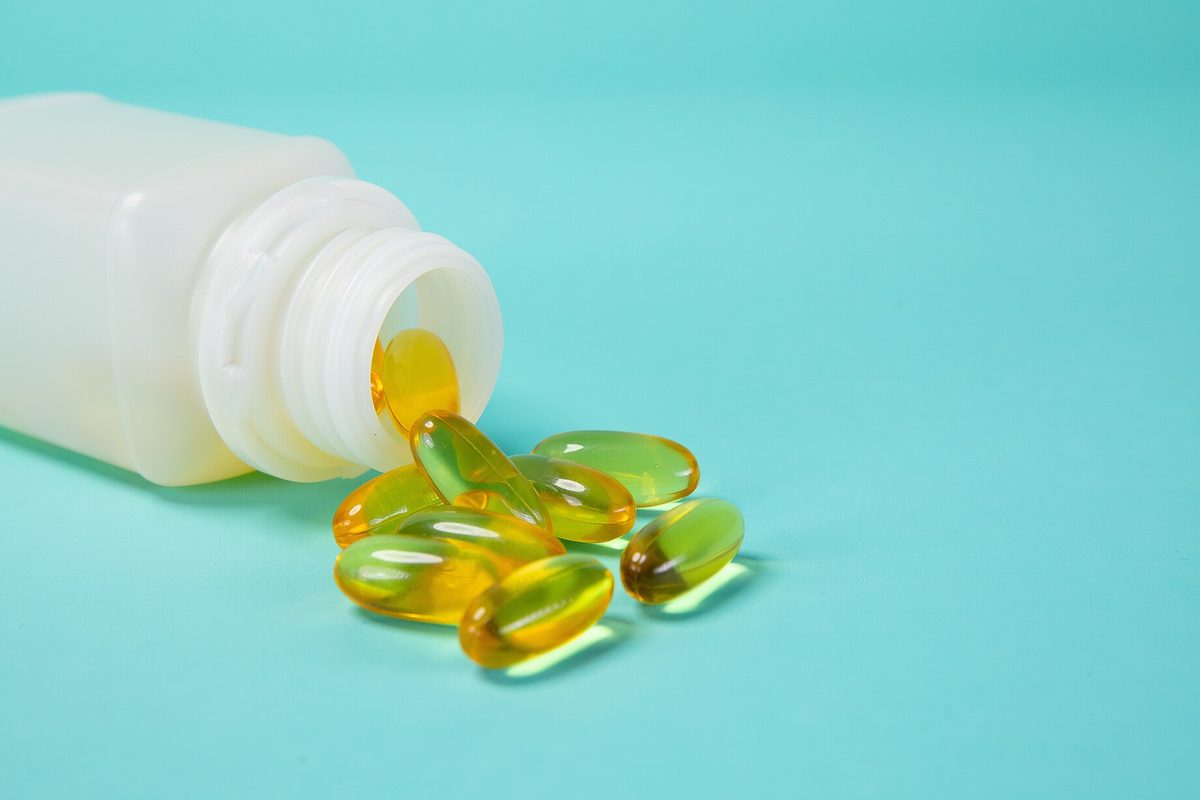
In January 2026, the FDA told ZMB Enterprises of Carlsbad, California that laboratory testing had found undeclared pharmacologically active substances in two of its products, and recommended recalling both. The company recalled one and declined the other. The recalled item — Addall XR Shot — now appears in the FDA’s enforcement records as Class I, the agency’s most serious category. The second product was never recalled at all.
What was found
Addall XR Shot (orange-flavored, 2 fl oz liquid) — undeclared 1,4-DMAA and phenibut. Recalled: recall number H-1263-2026, Class I, initiated April 3, 2026, status ongoing. Sold July to December 2025.
Addall XL (30 capsules) — undeclared 1,4-DMAA and DMHA. Not recalled.
Sold: online and at retail nationwide, including gas stations and convenience stores.
What these substances are
DMAA is a stimulant chemically related to amphetamine, originally developed in the 1940s as a nasal decongestant. The FDA declared it unlawful in dietary supplements in April 2013 — thirteen years before this recall. DMHA is a related compound, likewise not a lawful dietary ingredient. The agency’s stated concern for both is blunt: they can elevate blood pressure and lead to cardiovascular problems including shortness of breath, tightening of the chest, and heart attack.
Phenibut is different in kind. It is a psychoactive compound that does not meet the legal definition of a dietary ingredient in the United States, which makes any supplement listing it misbranded. The FDA describes neurocognitive effects — poor balance, fatigue, and diminished or loss of consciousness — along with the potential for addiction and withdrawal.
None of these was declared on the label. A buyer reaching for a focus supplement at a checkout counter had no way of knowing any of it was in the bottle.
The part that stands out
Recalls in the United States are, with narrow exceptions, voluntary. The FDA tests, informs the company, and recommends. The company decides.
Here that structure is unusually visible. The same agency, the same testing round, the same firm, the same class of undeclared stimulant — and two different outcomes, because a company chose differently on each product. The FDA’s response was the tool it has left when a firm says no: on April 3, 2026 it issued a public advisory telling consumers, retailers and distributors not to eat, sell or distribute either product.
That advisory is doing the work a recall would normally do. It reaches whoever happens to read it.
A timeline worth reading slowly
| When | What happened |
|---|---|
| July – December 2025 | Addall XR Shot on sale, online and in shops |
| January 6, 2026 | FDA informs ZMB Enterprises of the test results, recommends recalling both products |
| April 3, 2026 | Recall of the XR Shot initiated. The same day, FDA issues a public advisory covering both products |
| September 2, 2026 | The recall appears in the FDA enforcement database, classified Class I, status ongoing |
Eight months separate the first sale from the recall, and another five separate the recall from its appearance in the public enforcement record. The quantity distributed is listed as unknown.
Why a gas-station recall barely works
We have written before about recalls that cannot reach the people holding the product — deli salads sold loose at a counter, or a recall published with no lot number. This one has its own version of the problem.
A supplement bought at a service station is an impulse purchase. There is no loyalty card, no delivery record, no receipt kept. The buyer may not remember the brand, and has no reason to check a federal database weeks later. Meanwhile the bottle sits in a glovebox or a desk drawer, and its label still says nothing about what is in it.
What to do
If you have Addall XR Shot or Addall XL, stop using it and dispose of it — the FDA advises against using either, regardless of which one was formally recalled. If you have taken either and experienced chest tightness, shortness of breath, a racing heart, unusual loss of balance or drowsiness, contact a healthcare provider and mention the product by name. If you have been taking a phenibut-containing product regularly, tell a clinician before stopping, because withdrawal is a documented risk. Adverse reactions can be reported to the FDA through its MedWatch programme.
Sources
- FDA — Advisory of April 3, 2026: consumers, retailers and distributors advised not to eat, sell or distribute Addall XR Shot or Addall XL dietary supplements; substances found, health risks, and the firm’s decision to recall only one product: fda.gov
- openFDA — Enforcement record H-1263-2026, ZMB Enterprises, Carlsbad CA; Class I; initiated April 3, 2026; reported September 2, 2026; status ongoing; quantity unknown: open.fda.gov
- FDA — Action on dietary supplements containing DMHA and phenibut: fda.gov
- FDA — DMAA declared unlawful in dietary supplements, April 2013: fda.gov
Product names, substances, dates and health risks come from the U.S. Food and Drug Administration’s published advisory and enforcement records. This article is independent consumer information; it is not affiliated with the FDA or the company named, whose name is used for identification purposes only. It is not medical advice.
Know before you eat
Numeline scans a product and checks it against official FDA and USDA recalls — and flags allergens and foods to avoid for each member of your household. Free on iOS and Android.