 Numeline
Gallup: Americans' confidence in grocery food safety hits a record low of 65%
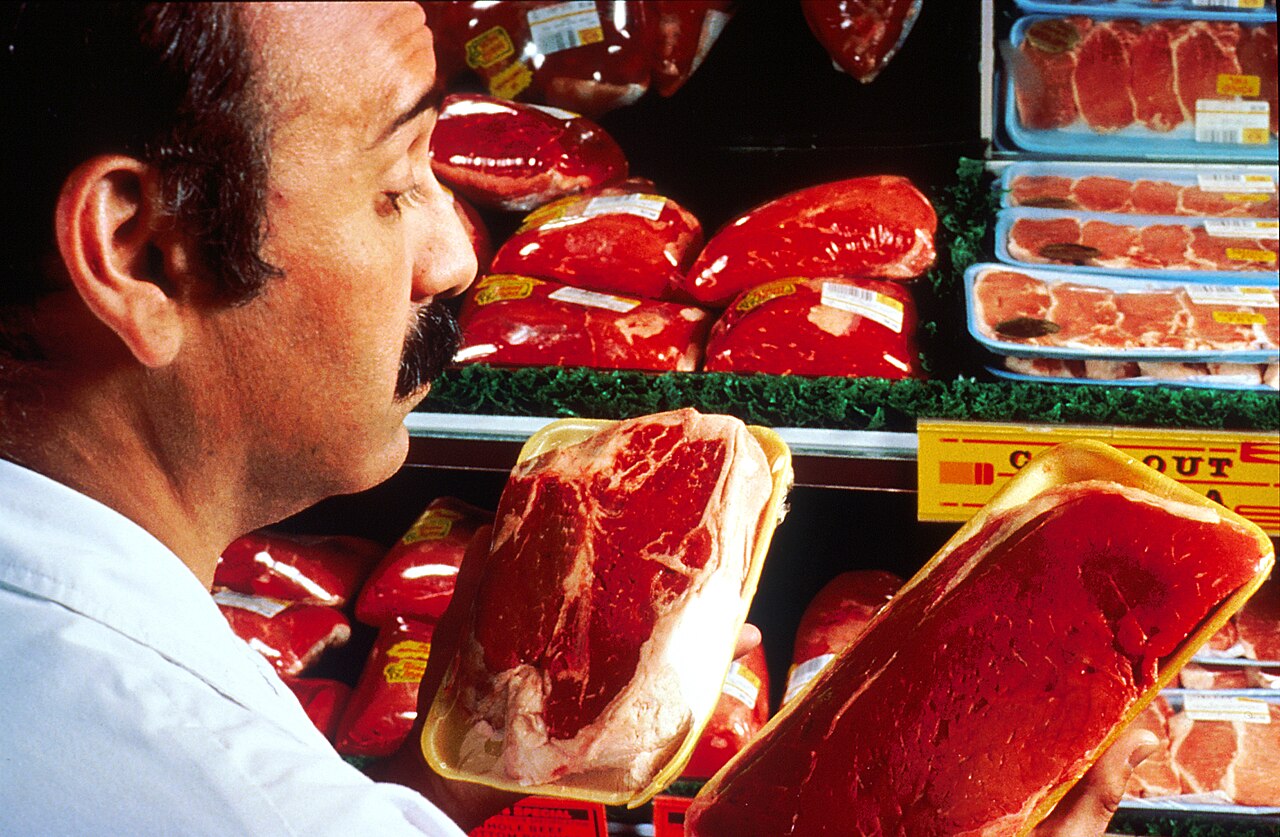
Only 65% of Americans are confident that the food sold at most grocery stores is safe to eat, according to a Gallup survey released on October 8, 2026. It is the lowest level Gallup has ever recorded — down from 81% in 2019. The more telling number may be another one: after a recall or a government advisory, 73% of Americans now say they avoided a whole brand or type of food.
Confidence in grocery food safety, year by year
Gallup asks how confident people are that "the food available at most grocery stores is safe to eat." The share answering very or somewhat confident:
| Year | Very or somewhat confident |
|---|---|
| 2019 | 81% |
| 2024 | 72% |
| 2025 | 73% |
| 2026 | 65% |
The drop is not only at the margins. Since 2019, the "very confident" group has shrunk from 31% to 23%, and the "somewhat confident" group from 50% to 42%. Meanwhile, the share who are not too or not at all confident has nearly doubled, from 18% to 34% — about one American in three.
Gallup also asked about restaurants for the first time: 66% are very or somewhat confident that restaurant food is safe, almost the same as for groceries.
After a recall, people avoid whole brands
The behavior questions are the most striking part of the survey. In the past year, after a government advisory or recall:
- 73% avoided certain brands or types of food, up from 53% in 2024 — higher than in 2007 (62%) and 2008 (60%), years marked by major food scares;
- 45% threw out or returned a food product, up from 37% in 2024;
- 42% worried that something they had eaten might have been contaminated, a high in Gallup's trend, up from 26% in 2024.
Avoiding a whole brand is a blunt response to a precise problem. Most recalls cover specific lots, not everything a company makes. But when a notice is hard to read, or the lot code is hard to find on the package, skipping the brand altogether is the easiest way to feel safe.
Trust in federal oversight is at a record low too
Only 47% of Americans have a great deal or a fair amount of confidence in the federal government to ensure the safety of the food supply, down from 53% in 2025, 68% in 2019 and a high of 85% in 2004. For the first time in Gallup's data, a majority — 32% "not much" and 21% "none at all" — lack that confidence.
Opinion has also flipped along party lines. Confidence in federal food safety oversight among Democrats fell from 74% in 2024 to 30% in 2026, while among Republicans it rose from 50% to 70%. On grocery food itself, Republicans are now the most confident (77%), ahead of Democrats (66%) and independents (60%).
A year of hard-to-miss food safety news
Gallup points to the context: the survey was taken just after the largest Cyclospora outbreak on record in the United States, which sickened more than 12,000 people in 21 states and was declared over on September 11. We followed it from the first iceberg lettuce recall to the end of the outbreak.
A poll cannot say which events moved which answers. But from reading recall records every day, we see one recurring reason a shopper might give up on checking: the identifying details are often inconsistent. In recent weeks, an E. coli cheese recall was corrected the same day to add five states, a frozen berry recall wrote one lot code several different ways, and a donut recall printed a barcode that cannot exist. When the information is that hard to use, avoiding the whole brand starts to look rational.
What it means at the shelf
A recall notice is about specific products, usually identified by a lot number and a best-by date. Before throwing out everything from a brand, check those two details on the package against the official notice from the FDA or USDA. If your package does not match, it is not part of the recall; if it does, do not eat it, and return or discard it as the notice says. Checking takes a minute — and it is exactly the step that confusing notices discourage.
About the survey
The food safety results come from Gallup telephone interviews conducted by ReconMR from September 1 to 17, 2026, with a random sample of 1,000 adults in all 50 states and the District of Columbia. The margin of sampling error is ±4 percentage points at the 95% confidence level.
Sources
- Gallup — Americans' Confidence in Food Safety Drops to New Low, October 8, 2026: news.gallup.com
Survey figures come from Gallup's published results; the chart data are presented in our own table, and readers should consult Gallup for the full findings and question wording. The examples of recall records come from Numeline's own reading of FDA notices, linked above. This article is independent and is not affiliated with Gallup.
Know before you eat
Numeline scans a product and checks it against official FDA and USDA recalls — and flags allergens and foods to avoid for each member of your household. Free on iOS and Android.